
‘Soy un Diplomatico Canadiense’: When Being Canadian Can Save Your Life
By Peter M. Boehm
June 26, 2025
November 1989 was not a good month for El Salvador.
At the time, I was posted to our embassy in San José, Costa Rica, where I served as a mid-level diplomat. In addition to our residency in Costa Rica, our mission was accredited to Nicaragua, Panama, Honduras and El Salvador.
It was a dangerous time, as Central America was enduring a prolonged crisis with the “Contra” insurgency challenging the ruling Sandinistas on the borders of Nicaragua, the FMLN (Farabundo Marti para La Liberación Nacional) waging a civil war in El Salvador and Panama on the brink with strongman Manuel Noriega.
With democracy under threat and human rights abuses prevalent through most of the region, there was much to animate our reporting back to headquarters and our other missions abroad. Responding to the wishes of Canadians across the country, the government of prime minister Brian Mulroney took great interest in the Central American peace process. Secretary of State for External Affairs Joe Clark was a frequent visitor to the region.
Our embassy section comprised two Canadians, Matthew Levin (who would go on to a stellar diplomatic career with ambassadorships to Colombia, Cuba and Spain) and myself. Matthew generally covered El Salvador and Honduras; I looked after Nicaragua and Panama.
Our goal was always to meet with as many government, opposition and civil society representatives as we could so that our trenchant analytical dispatches (so we thought) would retain the interest of our political superiors and would be shared further among our allies. We would sometimes change things up and that November I found myself visiting El Salvador.
More than any other work I have undertaken, this experience underscored my sense of pride in my country and citizenship.
I had been there before, had met with government and opposition representatives, human rights defenders, and the Catholic clergy. The church held tremendous sway among the people, particularly following the assassination of Archbishop Oscar Romero in 1980. I met with Rubén Zamora, then a voice of the FMLN before it became a political party.
I recall taking Zamora out to lunch and being challenged at our table by two thugs probably sent by Roberto D’Aubuisson, the right-wing army officer and ARENA party founder associated with death squads and the murder of Archbishop Romero. Since then, I never sit in restaurants with my back to the door.
The people I met on the streets were always friendly and I enjoyed eating “pupusas” the unique and delicious Salvadoran stuffed corn empañada.
But the November trip was different. The FMLN had started a major offensive, including in San Salvador, the capital. The army had mobilized and the sound of gunfire was omnipresent.
As per my usual practice, I flew in from San José to the international airport on the coast, hired a taxi and began the 40-minute journey to the capital on the largely deserted four-lane highway. The taxi had a Flintstones feel to it as part of the floor panel in the back seat was missing. In that context, the driver remarked that we were fortunate that it was not raining.
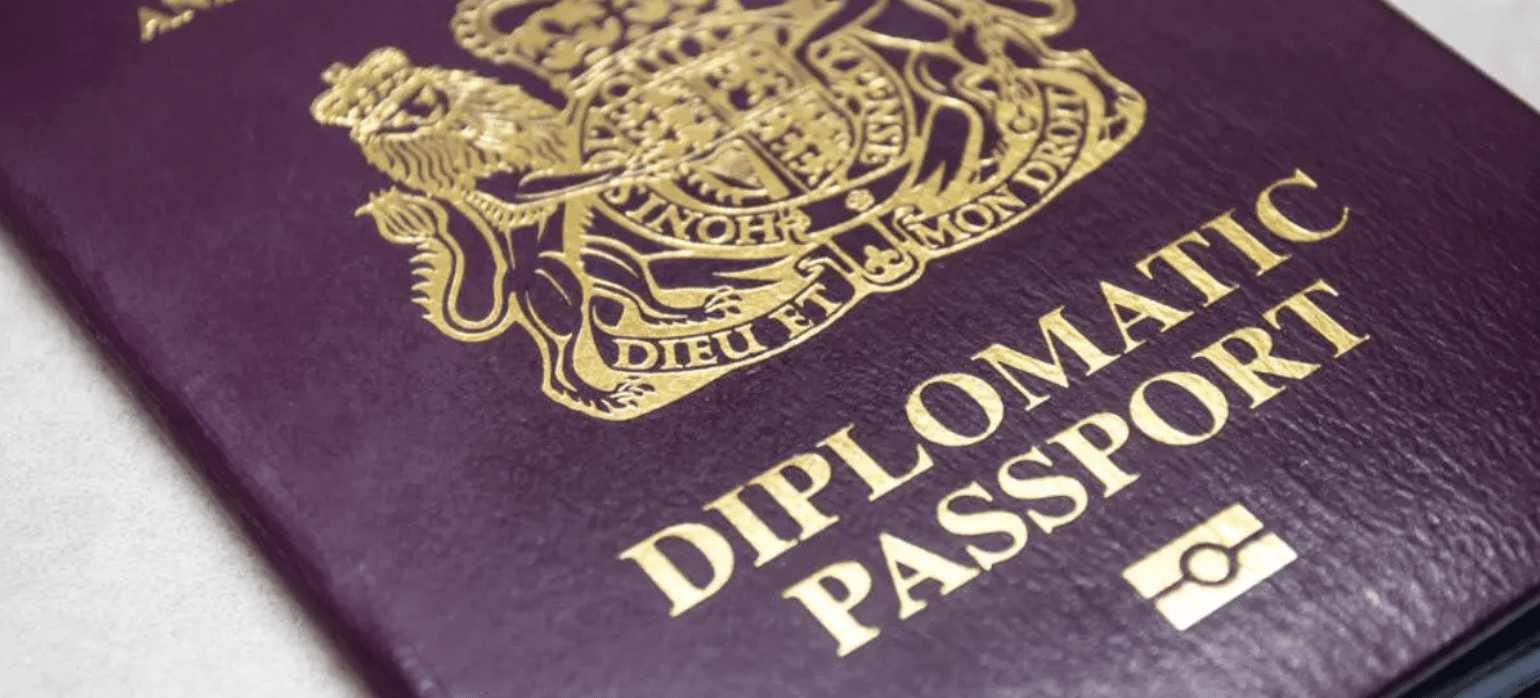
It was dusk, and after about 20 minutes on the empty highway, two men in army fatigues brandishing rifles emerged to pull us over. At their request, we dutifully stepped out of the car, the driver making the sign of the cross in the process. The two were joined by three others and I was asked to produce identification, which of course was my red diplomatic passport. The lead soldier asked why I didn’t have a security detail like other gringos.
“Soy un diplomatico canadiense,” I responded. “Contamos con el elemento de sorpresa y además no tenemos presupuesto para seguridad.” (“I am a Canadian diplomat. We rely on the element of surprise, and we don’t have a security budget”).
This assumption of good will that has greeted me throughout my diplomatic career from the White House to the Bundestag to the gunpoint checkpoints of El Salvador may be the most potent element of Canadian soft power we have.
Laughter all around, including my nervous, perspiring driver. I’m pretty sure it was the Canadian passport that saved my life, because the joke wouldn’t have worked coming from an American.
One fellow piped up to say that his sister lived in Toronto. I said that was wonderful and we all posed for a picture and proceeded on our way but not before receiving a warning that there was a column of “terrorists” (FMLN guerillas) somewhere in the vicinity. It was getting darker and sure enough about 15 minutes later, we were pulled over again by men in fatigues but adorned with a few colourful kerchiefs and armed this time with AK-47s. It was the FMLN.
Out of the car again, my driver again crossed himself, credentials shown and the expected question followed: “Dónde queda su seguridad?” I used a similar response that went over well — these guys were more relaxed than the army — but then the question: “Mi hermano vive en Calgary; usted conoce esa ciudad?” (“My brother lives in Calgary; do you know that city”). Of course, I said, then added, “As a matter of fact, we are probably as close to Calgary here as I would be from my home in Ottawa.” That took a moment to sink in and then it was photo time.
This benefit of the doubt, this assumption of good will that has greeted me throughout my diplomatic career from the White House to the Bundestag to the gunpoint checkpoints of El Salvador may be the most potent element of Canadian soft power we have. For a diplomat, it has been invaluable.
We arrived at the hotel in San Salvador without incident much to the relief of my driver. Shortly after I left a few days later, the FMLN occupied the Sheraton and held its guests hostage — including the Secretary General of the Organization of American States.
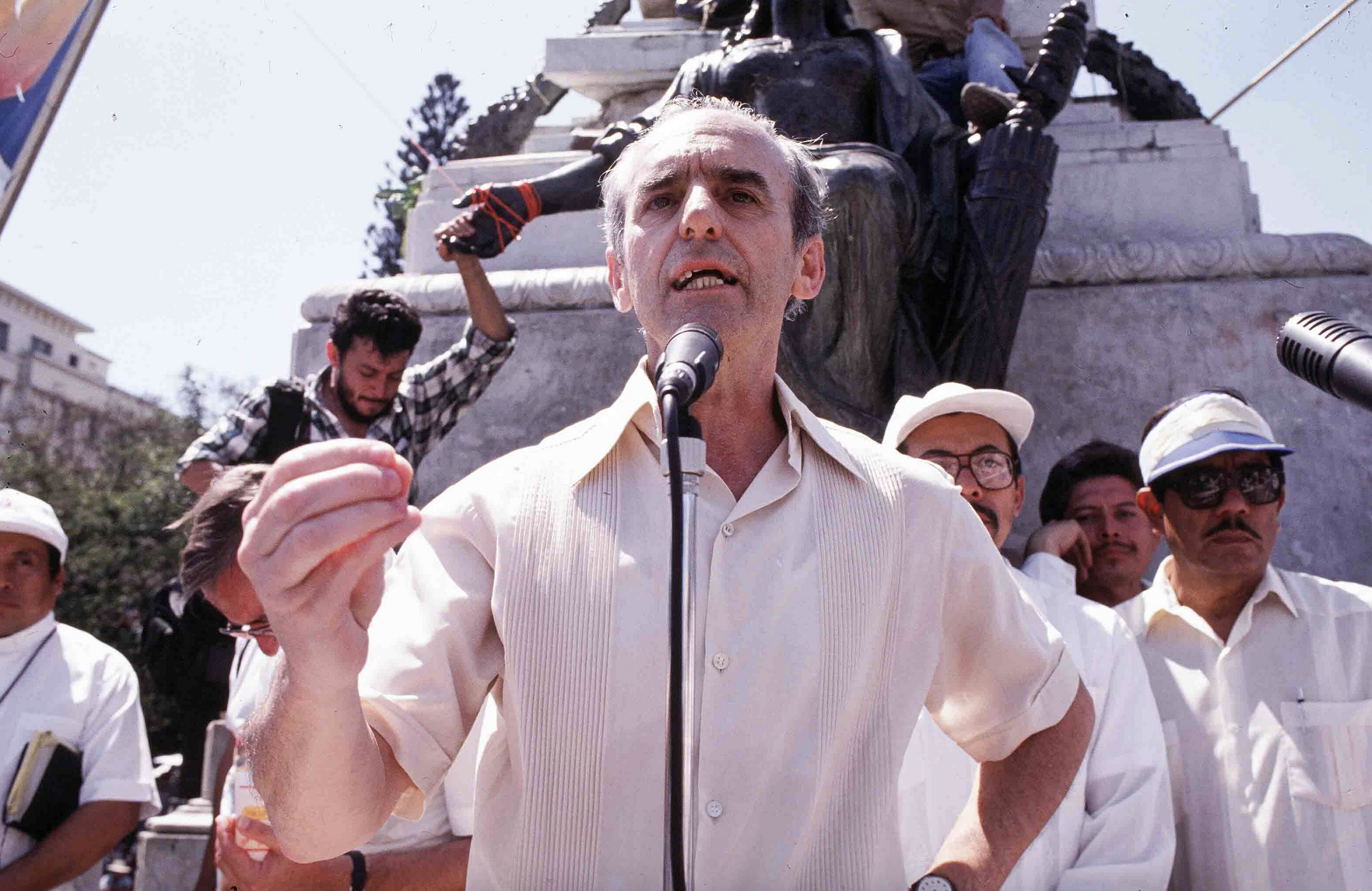 Jesuit priest Ignacio Ellacuria, executed in 1989/America-Jesuit Review
But there was deeper tragedy in November. During our trips to the country, Matthew or I occasionally met with Ignacio Ellacuria, a Jesuit who was the rector of the Central American University. Ellacuria and his colleagues were exponents of liberationist theology, a view of Catholicism then sweeping the Americas on the leftward side of the political spectrum and anathema to the established authorities. They were also great sources of information to us.
Matthew and I made sure all had Canadian visitor visas in their passports, in the event they would have to leave the country suddenly. To no avail. On November 16, 1989, they were roused from their dormitory, taken outside and summarily executed by an army death squad. By the end of the decade, Canada had taken some 37,000 Salvadoran refugees, offering them asylum and a new life. This is about the same number of Hungarians that arrived on our shores following the Hungarian revolution in 1956. While many more Salvadorans went to the United States, our numbers were not insignificant.
I was sauntering through the farmers’ market in my hometown of Kitchener not too long ago. I passed a stand selling Salvadoran pupusas and the young woman vendor offered me a sample. “La receta de mi abuela de Santa Tecla” (“the recipe of my grandmother from Santa Tecla”) she said. “Muy savoroso” (“very delicious”) was my response. “I am studying at university and help at the Saturday market too. My family began a new life here and I love Canada.”
Este es mi Canadá: amable y generoso.
Senator Peter M Boehm is a former ambassador and deputy minister. Among other postings during his diplomatic career, his service included postings in Cuba, Costa Rica and as Ambassador and Permanent Representative to the Organization of American States in Washington, DC.