
On Being Canadian: An Identity Forged in Sacrifice and Service
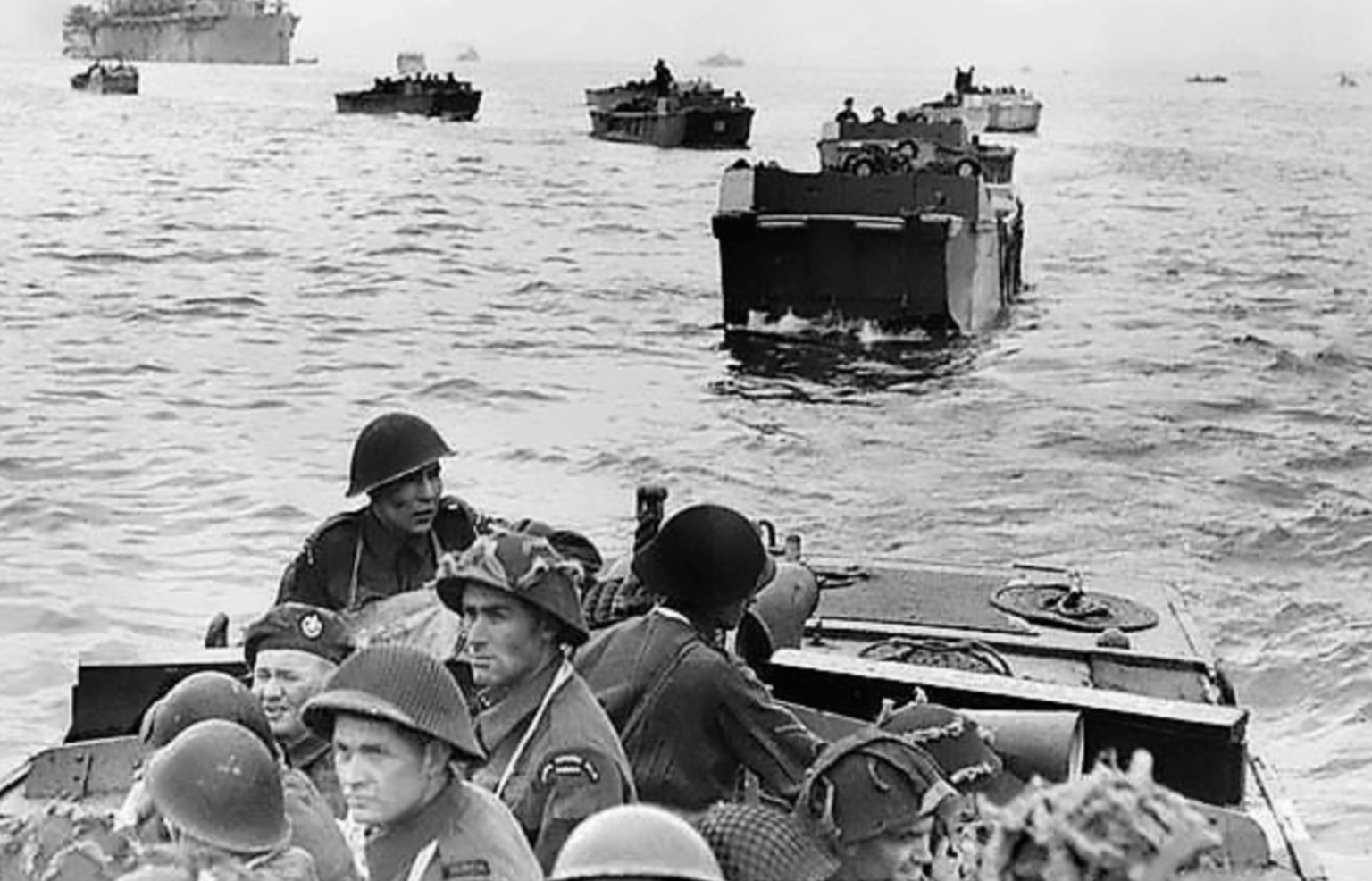 The Royal Winnipeg Rifles landing at Juno Beach on D-Day/LAC
By Christopher LaBossiere
July 22, 2025
Every day, in my role as president of the Juno Beach Centre in Courseulles-sur-Mer, France, I see how history comes alive for young Canadians. They walk among the maple markers on the windswept, haunted Normandy coast, feel the weight of those names, and understand that their Canadian identity is woven from acts of collective bravery. They are reminded that the freedoms we enjoy, and the sovereignty we defend, were dearly bought — and must never be taken for granted.
As a proud Canadian, I believe deeply in the values we stand for — true freedom, equality, and decency — and the incredible men and women who have put themselves in harm’s way to protect those ideals. They have given us everything, and it’s our duty to ensure their stories and sacrifices are never forgotten.
Being Canadian is inseparable from the values defended and forged on battlefields far from our shores: courage, resilience, duty, and an unwavering belief in democracy and freedom.
Canada’s national character was tested and forever shaped in the trials of war — none more profound than on June 6, 1944, when 14,000 Canadian volunteers stormed Juno Beach as part of the Allied D-Day landings in Normandy, facing unimaginable danger to help liberate a continent. This was not just a military operation; it was an expression of our country’s spirit and a foundational moment in our self-understanding.
Our soldiers, nurses, airmen, sailors, and those who supported the war effort at home — they may not have known it at the time, but they embodied what it means to be Canadian. They came from every part of Canada, every walk of life, united by a sense of something larger than themselves: duty to the ideals our country stood for and to the future they hoped to secure for generations to come.
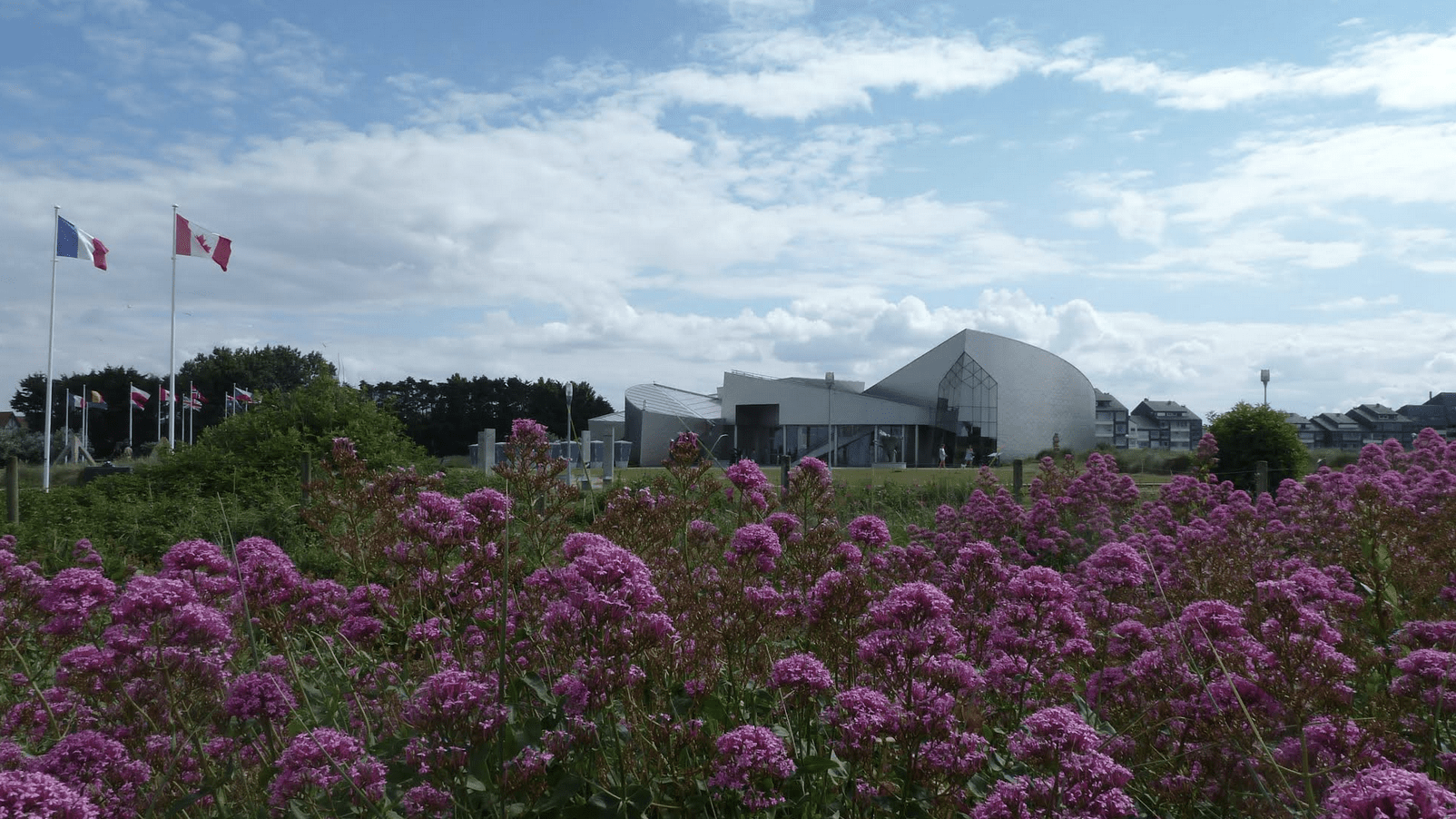 The Juno Beach Centre in Courseulles-sur-Mer/Courtesy Juno Beach Centre
The Juno Beach Centre stands in Normandy as a living memorial to Canadians’ sacrifices. On D-Day alone, 359 Canadians died on Juno Beach, and more than 5,500 suffered casualties during the Normandy campaign. Their names, now inscribed on tribute markers made of Canadian maple, remind us that these were not just soldiers —they were sons, brothers, fathers, friends, and neighbours who had dreams and hopes that ended all too soon. Their sacrifices were not abstract gestures, but deep personal losses that resonate in every corner of our national memory.
We must also remember those who returned, changed by war’s horrors, and the tens of thousands on the home front who firmly kept the nation running during years of uncertainty. The totality of Canada’s effort — military and civilian — set a template for a Canada that values teamwork, perseverance, and equality.
This collective sacrifice had a purpose: to secure a future free from tyranny, to preserve the ideals our nation cherishes, and to ensure that each generation would inherit a Canada strong in both spirit and sovereignty.
Canada’s role in the Second World War asserted our status as a proud, independent nation capable of making difficult choices and standing tall among the community of nations. The courage at Juno Beach demonstrated not just bravery, but an unshakeable resolve to defend freedom — even at great personal cost.
The Juno Beach Centre in Normandy isn’t just a museum — it’s a living reminder — a tribute to the 450,000 Canadians who fought in WWII, and to the 45,000 who never came home. Their sacrifices were made in the name of freedom, democracy, and sovereignty — principles that seemed unshakable for so long, but that, somehow, we now find ourselves debating and defending anew as Canadians.
Respecting and honouring the memory and objectives of those who served isn’t just about the past; it’s about protecting what they fought for. It’s about ensuring that these values remain at the core of who we are as a country.
Our sovereignty, like our identity, is dynamic — perpetually tested and reaffirmed by the actions of each generation.
Remembrance is more than ceremony. It is a call to action — a demand that we measure up to the standards set by those who came before us. If we fail to remember, the sacrifices of over 100,000 Canadians in global conflicts will be meaningless. Our national future is their memorial; the responsibilities we carry are their legacy.
In the spirit of those who stormed Juno Beach, remembering means ensuring that Canada remains able to stand independently, to defend itself, and to contribute to the global order as a beacon of democracy and freedom.
Today, in 2025, Canadian sovereignty faces new challenges. Geopolitical instability, shifting alliances, and rising threats at our borders test our ability to remain secure and self-determining.
Most pressing are questions of national defence and the integrity of our borders — especially as the United States, our closest ally and neighbour, reconsiders its commitments and signals a more isolationist and, at times, unilateral approach. Economic coercion and talk of annexation, even if rhetorical, underscore the fragility of sovereignty inadequately protected.
What does it mean to be Canadian, shaped by the legacy of Juno Beach?
For me, there are four historical values that are elemental to “being Canadian” whether they are inherited or adopted.
It means embracing our historical values such as courage in the face of overwhelming odds. It is the remarkable resilience each of us is tested on — as much on the battlefield as at home, where Canadians continue to adapt, volunteer and rebuild.
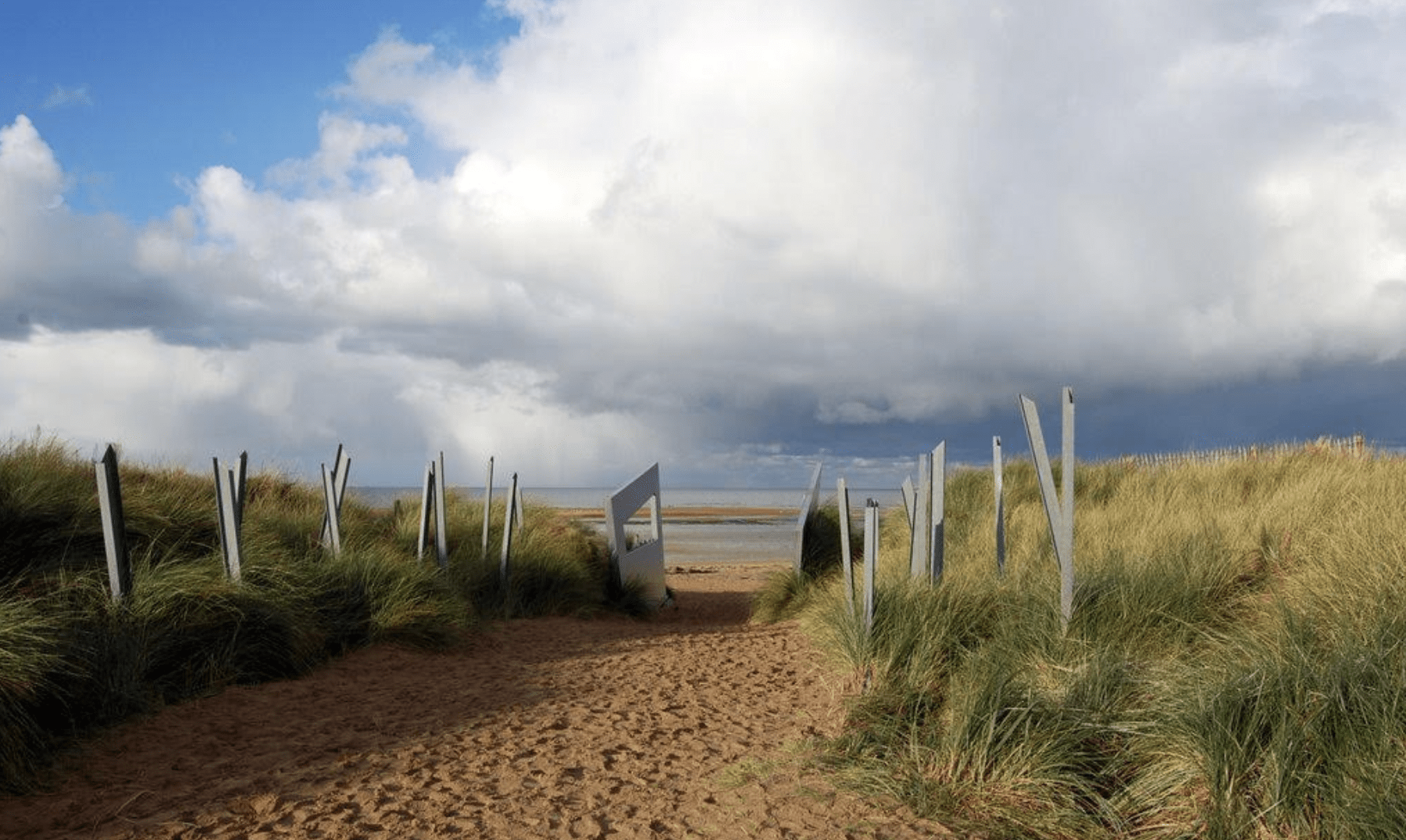 Juno Beach today/Courtesy Juno Beach Centre
Commitment to equality and inclusion, informed by the many roles Canadians played in war — from soldiers to codebreakers to factory workers — from all backgrounds and regions. And finally, dedication to service, to each other and to the world, fuelled by a belief that our sacrifices can, and do, shape a better future.
These values are not relics. They are living standards by which, as Canadians, we must measure our actions, especially as new threats challenge our sovereignty and our place in the world.
Canada cannot afford complacency. The lessons of Juno Beach urge us always to be ready: to invest in our defences, to cultivate unity, and to stand firm for our values. Our sovereignty, like our identity, is dynamic — perpetually tested and reaffirmed by the actions of each generation.
As we face new uncertainties, let us honor the memory of those who gave their all by rising to meet the very challenges of our day. Let us honor their sacrifices not only with our remembrance, but with our resolve: to keep Canada free, independent, and strong — now and for generations to come.
You can support the Juno Beach Centre by donating here.
Christopher LaBossiere is President of the Juno Beach Centre Association and serves on several not-for-profit boards, including the Canadian Forces Liaison Council. He is the CEO of Altitude Investments Ltd.