
Donald Trump Doesn’t Have a Cold. He’s the Tipping Point in an Epidemic.
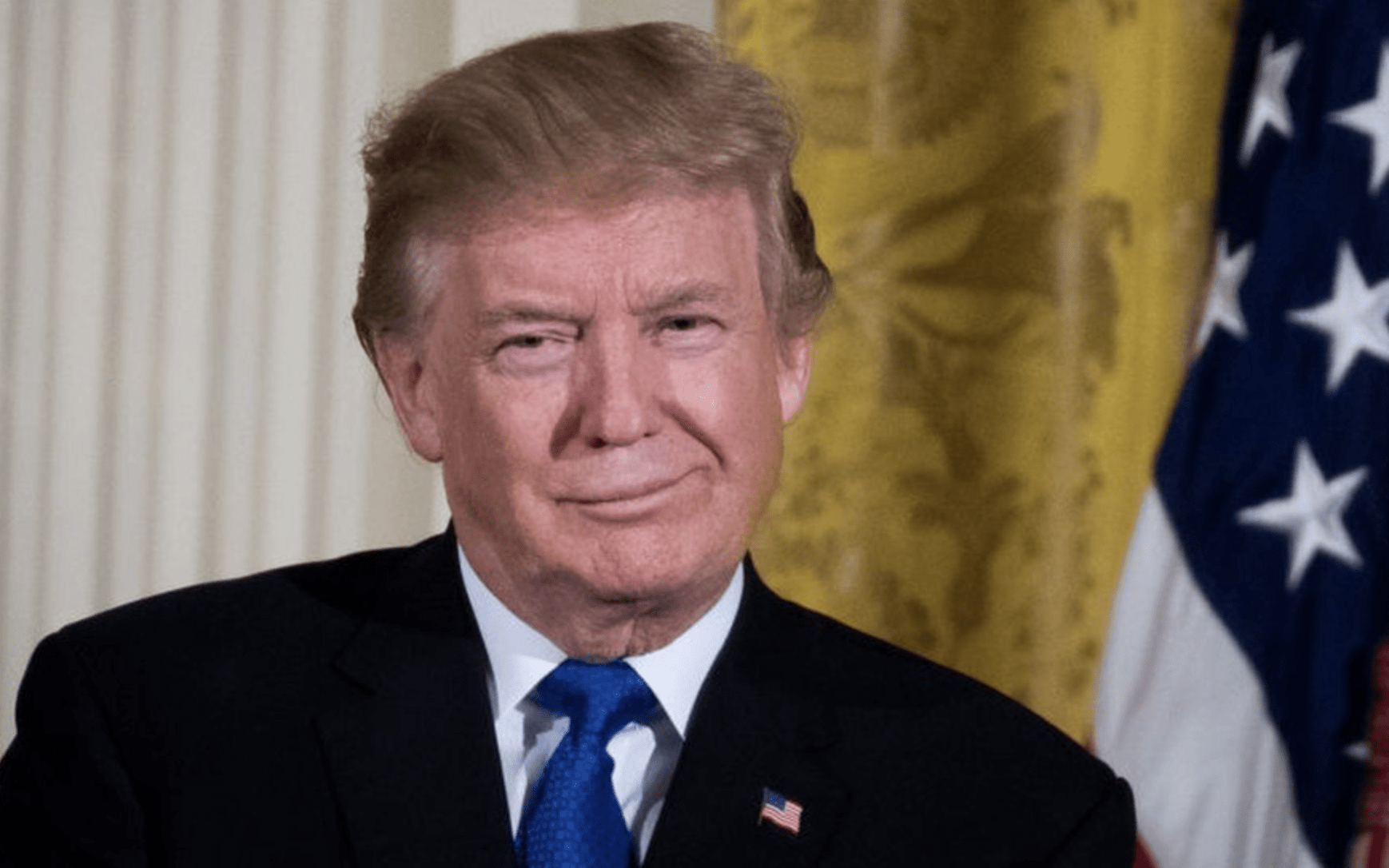
With his love of Vladimir Putin, trolling of NATO, tactical support of China’s ascendancy and daily degradation of American soft power, Trump is not a political black swan. He’s a tipping point in a very dangerous narrative.
July 11, 2018
In the besieged practice of journalism, there is sometimes a moment when a narrative hits a Gladwellian tipping point beyond which what had been reported as a series of random or discrete events flags the full scope of a larger phenomenon — an epidemic, a web of corruption, an ethnic cleansing campaign, a financial crash.
Historically — when the first major celebrity announced he had AIDS; when John Mitchell was proven to have been managing a secret “intelligence fund” for dirty tricks; when enough villages in Kosovo were depopulated of their male residents by firing squad; when BNP Paribas froze more than $2 billion in funds because it no longer had any clue as to how to value subprime mortgage-backed assets — the context for all previous and future incremental developments in the story was altered.
These days, when the new Italian prime minister, Giuseppe Conte, holds an EU leaders’ summit hostage over immigration, imperiling EU unity and complicating Angela Merkel’s liberal world order leadership; when Hungarian leader Viktor Orban uses the same wedge issue to further the same ends; when the United States government separates children from their parents at the U.S. border with Mexico and then loses them, these developments are unfolding in the context of an aspiring new world order effort to harden borders, punish migration, discourage emigration and relegate to the past the possibility of escape and sanctuary from brutality because those outcomes serve the interests of its most authoritarian players.
The leaders above are among those whose antipathy toward America, the EU and democracy and support for China and Russia has been explicitly stated or acted upon (Donald Trump’s trade war — the one ostensibly anti-China policy decision he has made — will ultimately benefit China to America’s detriment).
When Israeli Prime Minister Benjamin Netanyahu — in a previously unthinkable prioritization of membership in the New World Order Strange Bedfellows Society over the sacred obligation to factual Holocaust remembrance of every Israeli leader since David Ben-Gurion — endorsed a Holocaust-revisionist Polish censorship law last week, he was acting in the larger context of a global war on truth so virulent it includes an American president who has told thousands of lies since he took office.
At this week’s NATO summit in Brussels, the volatile American president may attempt a sequel to his graphic-novel-villain G7 performance and try to sabotage the most powerful security alliance in history by tweet (he reportedly told leaders in Charlevoix that “NATO is as bad as NAFTA”). Trump is using the defence budgets of NATO members as a MacGuffin for trolling the alliance in the same way he has used trade deficits as a rationale for his war on the existing global trade regime. Ironically, his commitment to Article 5 of the NATO charter, the all-for-one clause that defines an attack on one member as an attack on all, will be sought again even as the alliance is under attack from him.
Trump is not an oddball anomaly — a president whose apparent incompetence and recklessness are more the product of a confluence of narcissistic personality disorder, inexperience and opportunity than of an epidemic of intelligence, political and geopolitical corruption. Beyond the reports of Robert Mueller’s investigation into his rococo relationship with Russia, the approach to covering Trump has often been more “Frank Sinatra has a cold” than “Rock Hudson has AIDS,” as though he’s a one-man domestic crisis rather than a narrative tipping point in the most serious systemic threat to democracy and freedom in more than half a century.
NATO leaders, as the grown-ups at the table, surely know enough to relate to him as the latter.
Lisa Van Dusen is associate editor of Policy Magazine and a columnist for The Hill Times. She was Washington bureau chief for Sun Media, international writer for Peter Jennings at ABC News, and an editor at AP in New York and UPI in Washington.