
The HFX 2025 Nobel Laureate Essays: María Corina Machado with ‘Democracies Demand Decency’
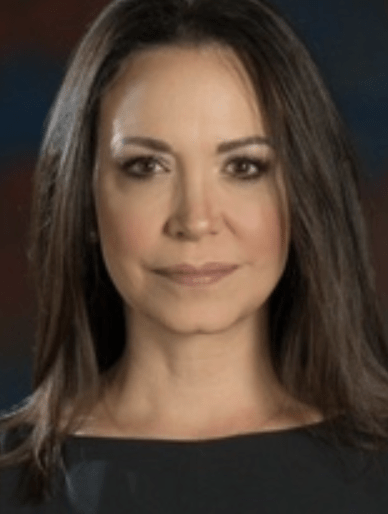
2025 Nobel Peace laureate and Venezuela pro-democracy activist and founder of Súmate.
From the Policy Magazine HFX 2025 Nobel Peace Laureate Essays on Democracy Series
November 20, 2025
At this moment, when the fate of our country and of future generations is at stake, I can only speak from the profound experiences that define the reality of our people. I write from a place in hiding, somewhere inside Venezuela, because if the regime knew where I was, most likely I would be disappeared.
During the second half of the twentieth century, civic coexistence in Venezuela was marked by mutual respect. Political adversaries debated vehemently, but always within a framework of civility, friendship, and the rule of law.
In the twenty-first century, however, the deterioration of democracy became palpable as decency was lost in public life. Former coup leaders and guerrillas joined forces to seize power, imposing a language of hatred and intimidation. They desecrated our institutions, violated our symbols, and replaced truth with insult. They censored, defamed, and lied systematically, distorting even our national history.
They sowed distrust, fear, and submission. They emptied the law of meaning and turned violence into a tool of political control. They intentionally impoverished our people and tore families apart by generating the largest migration crisis our history has known. In doing so, they not only destroyed our economy, but our moral fabric, the decency that holds a nation together.
Faced with a country demoralized, I decided to create a movement that would empower Venezuelans to refuse to live in fear and humiliation any longer. Gradually, our people joined in this powerful wave from the heart of the country, united by one purpose: to rescue our highest values and to reunite our families back home.
In the face of censorship and persecution, we persisted in speaking the truth. Despite the poverty and repression imposed by a narco-terrorist regime, Venezuelans began to recover the language of decency: the courage to speak plainly, to act with dignity, and to believe again in one another.
Yes, Venezuelans needed food, water, security, and electricity. But above all, they longed to recover truth, trust, and freedom. They needed to reunite their families and regain faith in a better future: a future without censorship, persecution, and fear, where they could once again be masters of their own destiny.
I write from a place in hiding, somewhere inside Venezuela, because if the regime knew where I was, most likely I would be disappeared.
Yes, Venezuelans wanted to vote, but more than anything, they wanted to choose, and to have their votes respected. They wanted to regain confidence in the idea that their collective efforts could transform their lives. They wanted to be recognized as human beings with dignity.
Learning this lesson firsthand has united our people in extraordinary ways. It has given us faith, strength, and quiet confidence.
And so began an electoral campaign that became much more than an election. It became a moral uprising, a collective act of decency and courage. It was not only an effort to win; it was an ethical struggle for truth, an existential struggle for life, a spiritual struggle for good.
Rather than focusing on the centres of power, the campaign reached the forgotten corners of the country. From the depths of Venezuela, solidarity and hope were reborn among citizens who overcame fear to gather once more in streets and squares.
I will never forget what I witnessed in Delicias, a remote town in Táchira, on the border with Colombia. It was the only place in that state I had not visited, a territory under absolute control of guerrilla groups, where nothing is sold, not even a chicken, without their approval. No politician had set foot in Delicias since 1974. Many warned me not to go, insisting it was too dangerous, that I and my supporters were at great risk. But that was precisely why I had to go.
After hours on winding mountain roads, we arrived in one of the most beautiful places I have ever seen: towering trees, waterfalls, and hills covered in flowers. As we entered the town, I noticed Venezuelan flags hanging from every house, as if it were a national holiday. I asked what they were celebrating, and someone replied, “You don’t understand, Venezuelan flags are banned in this town, but these flags are for you. Here, displaying our flag is an act of rebellion. Because you had the courage to come here, we can raise it again. It is our way of returning your courage.”
In that moment, I could not hold back my tears. I understood, once more, that our struggle is about much more than politics or votes. It is about restoring truth and dignity to a people who refuse to live in fear.
Which is why we organized in silence and prepared to face every obstacle leading up to the presidential elections last year. Our volunteers risked everything for freedom, democracy, and the decent lives that had been stolen from them.
The truth emerged in the form of an electoral victory. The lies collapsed. The voice of the vast majority was heard. The people of Venezuela decided we wanted to be free again. And we will be. Because a nation that has reclaimed its decency has already reclaimed its future.
María Corina Machado was awarded the 2025 Nobel Peace Prize “for her tireless work promoting democratic rights for the people of Venezuela and for her struggle to achieve a just and peaceful transition from dictatorship to democracy.”
With many thanks to the Halifax International Security Forum.