
‘It’s all Coming Back to Me Now’: Alberta and the Ghosts of Referendums Past
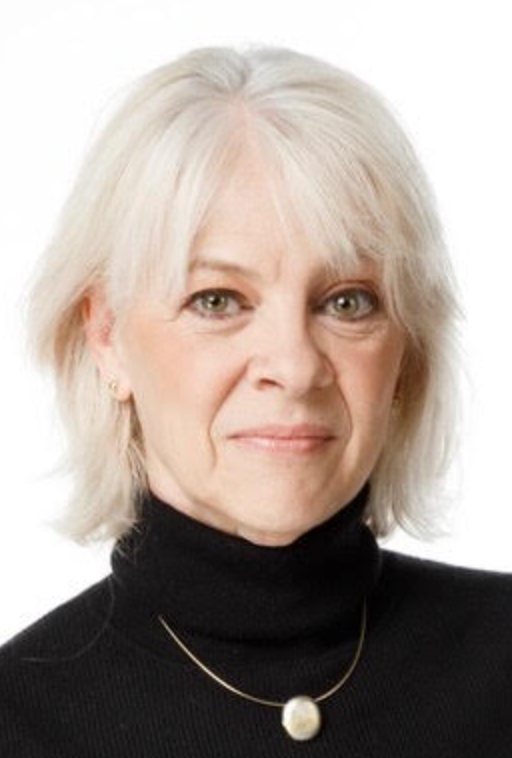
By Susan Bonner
October 14, 2026
“I can’t believe we are here.”
A simple statement from a woman in line to vote at an advance polling station on Alberta’s referendum captures a complicated sentiment.
Per The Writ’s Alberta Referendum Poll Tracker, a strong majority of Albertans tell pollsters they will vote to remain in Canada, with 70% choosing to stay against an average of 22% who support beginning the process to hold a binding referendum on independence.
Still, the ghosts of referendums past and future haunt the present in Canadian politics. They haunt Alberta and Quebec as aspirational energy and agents of chaos.
The push for independence is different in each of the two provinces but holds the same peril for a country facing no shortage of existential threats.
René Levesque’s wistful à la prochaine address to supporters on referendum night, May 20, 1980, was prophetic. Lévesque’s Parti Quebecois government lost the vote 40.44 to 59.56 but would not give up the cause.
His ‘until next time’ sentiment didn’t work out the way he had hoped in his lifetime, but there was a next time. And that one, in October 1995, nearly broke the country.
And that near-fatal referendum was made possible by the October 1992 referendum on the Charlottetown constitutional accord. Brian Mulroney negotiated a series of amendments aimed ultimately at bringing Quebec into the constitution.
The provinces and territories agreed, but 53.4% of Canadians rejected it.
I was a CBC reporter in Montreal in 1992, and I will never forget going to vote that October morning.
I’d never seen lines like that. I’d never felt energy like that as hundreds of people stood solemnly waiting to cast their vote. It was not a vote on separation, but it was a ‘message’ to the federal government. Quite possibly that Canadians were suffering from constitutional-reform exhaustion. The “I can’t believe we are here” factor.
The ‘send a message to Ottawa’ language from that past referendum echoes in the present campaign in Alberta. People there prepare to vote as Quebecers prepare to watch new members of a Parti Quebecois government take the oath of office after promising another referendum.
There’s a caveat, of course; no referendum until after Donald Trump leaves office, but referendums and caveats go together like Canada and winter. Or in the current case, maybe like Alberta and oil.
Next week’s vote is a kind of test-run referendum on whether the province needs to go it alone to make the best use of its resources. A “yes” vote only means yes to another binding resolution on separation. And that “go it alone” itself has a caveat: that the Trump administration has made no secret of its designs on Alberta’s oil.
So, as the woman waiting to vote said, here we are in another October, watching long lines of people waiting to express by ballot their opinion about the future.
I’ve lived and worked in Alberta, too, and I’m not surprised by the turnout. Referendums draw crowds. Like the votes in Quebec, Alberta’s turnout could break records.
It’s been strange to watch what could become yet another full-blown national unity crisis at a time when Canadians are more united than I’ve witnessed in my decades covering politics.
There is a political culture to referendums distinct from that of election campaigns because the combatants aren’t just fighting to determine the direction of a population for the next four years. It’s a battle over identity, and how that identity will define the next four generations.
The heartfelt and angry comments from both sides about the definition of power. The billboards and commercials selling certainty vs. boldness. A prime minister staking his claim to fight for Canada amid the questions over whether he chose the right time or has done enough to make a difference. The costs.
As Céline Dion famously sings, it’s all coming back to me now.
And for all the Sturm and Drang about Quebec’s talent for complicated referendum questions, there was only ever one. Albertans face 10.
The question about separation asks if there should be a future referendum on Alberta leaving Canada. The nine questions about constitutional reform on immigration and provincial powers can’t be settled by Alberta voters. Which makes them, essentially, window dressing for the buried lede of the 10th question on independence.
What is not evident to voters in the ballot is the cost of “sending a message to Ottawa”, both in the exhaustive process of secession as laid out by former Intergovernmental Affairs Minister Stéphane Dion in his recent Policy piece on the Clarity Act, and to the Alberta economy.
A study conducted by the University of Calgary’s School of Public Policy and commissioned by government of Alberta puts the cost of separation in the wide range of $50 billion to $170 billion, depending on how negotiations with Canada proceed.
That gave the two sides more to fight about. Again, past meets present.
The ghost of referendums past reminded me of a story I once filed in Montreal during the years of great constitutional post-Meech, pre-Charlottetown debates. It was about partition — a word I never thought I’d hear in a Canadian political debate.
Some argued that if Quebec could legally separate from Canada, then English-speaking regions (parts of Montreal and the Gatineau region just across the river from Ottawa) and Indigenous territories could separate from Quebec.
Those stories — the constitutional equivalent of “How many angels can dance on the head of a pin?” — were both absurd and unsettling.
It’s been strange to watch what could become yet another full-blown national unity crisis at a time when Canadians are more united than I’ve witnessed in my decades covering politics.
And they are united against the very same Trump administration whose actions helped elect a prime minister who is currently the most popular politician in Alberta because he is taking steps to settle some longstanding provincial grievances over energy.
All of that could change quickly, of course. The political road ahead does not look smooth. The prime minister likes to boast about “building big”. This week, he warned, “you can’t build big things on fault lines.” Alberta’s pro-independence spokespeople say no matter what happens next week, they’ll keep up their fight.
I haven’t heard it applied to Alberta yet, but in Quebec the word “Neverendum” became part of the political lexicon, to describe that sense that the political debate is forever trapped in a pre-referendum, mid-referendum, post-referendum infinity loop.
Indeed, as the ghost of referendums past shows, one of the most unsettling aspects of separatist referendums is that while they may answer a question, they don’t always settle it.
Susan Bonner is a Senior Fellow at the Munk School of Global Affairs and Public Policy at the University of Toronto. She worked as a reporter and news anchor for CBC News for four decades.