
A Day to Reflect, Not Celebrate: Canada’s Refugee Commitment at a Crossroads
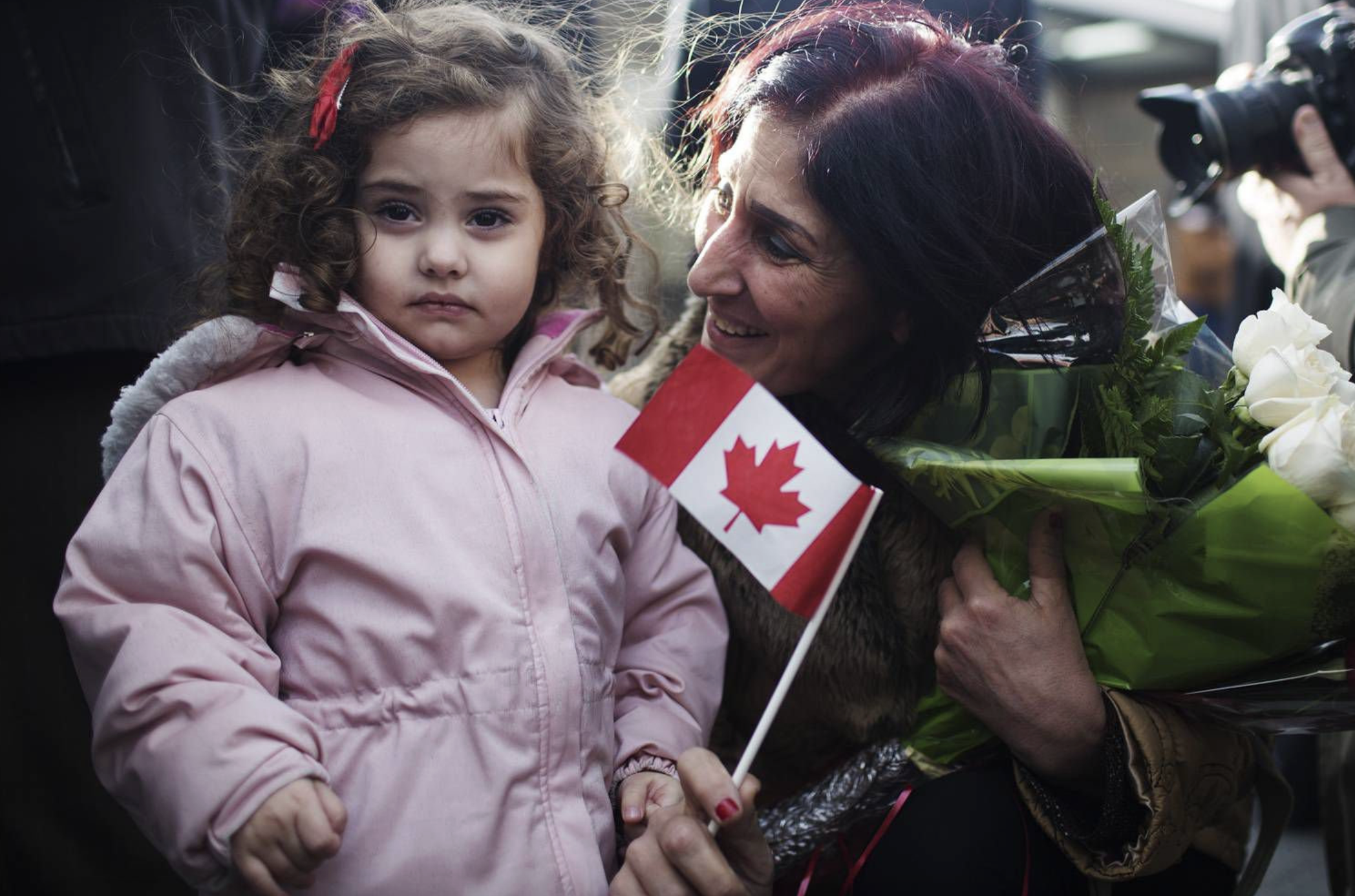 UNHCR
UNHCR
By Lloyd Axworthy, Ratna Omidvar, Victor Lal and Warda Shazadi Meighen
June 19, 2025
On this World Refugee Day, Friday June 20th, celebration feels out of place. Across the globe, the refugee protection system is stretched to its breaking point, while the number of displaced persons grows each day. Long viewed as a haven, Canada is not immune to the global tide of toughened border controls and political pressure.
We should, of course, begin by recognizing the positives. Canada’s record on refugee resettlement is a proud one. From Indochinese refugees fleeing the Vietnam war in 1979 to Syrian and Afghan families more recently, refugees have arrived here in search of safety and gone on to shape and define Canada. Former Governors-General Adrienne Clarkson and Michaëlle Jean, Somali-Canadian rapper K’naan, author Kim Thúy, and entrepreneur Tareq Hadhad are just examples of those who have made extraordinary contributions after arriving as refugees.
But globally, the picture is bleak. The United Nations refugee agency (UNHCR) reports more than 122.1 million forcibly displaced people worldwide at the end April 2025, including more than 42.7 million refugees and 8.4 million asylum seekers. Wars in Ethiopia, Sudan, Gaza, Ukraine and Congo are adding to the flow. Funding for refugee protection and repatriation is drying up, particularly since the United States cut its contributions to UNHCR. Many Western governments have responded with tighter borders and shrinking resettlement quotas.
We are also beginning to see the impact of climate change on global displacement. The coming decades promise even greater upheaval. Sea level rise, droughts, floods and crop failure will drive millions of people from their homes.
Canadians need look no further than our own devastating forest fires, which are driven by climate change and have become a leading cause of internal displacement here at home, to understand what’s happening. These fires are disproportionately affecting Indigenous communities whose ancestral lands and livelihoods are often located in high-risk forested regions.
Without a functioning, humane, and coordinated refugee and migration system, the political consequences of ethnic tensions, social fragmentation, political extremism, and violent conflict reinforced by climate change will be devastating — both in the Global South and in the heart of Western democracies.
Refugees are increasingly treated as burdens, to be at best managed and at worst avoided, rather than human beings to be protected.
The 1951 Refugee Convention, the cornerstone of the international protection regime, is being ignored, and on the verge of collapse — not due to war or catastrophe, but because the very states that built it are now dismantling it. Driven by rising populism, xenophobia, and political expediency, ostensibly democratic governments are erecting barriers, closing borders, and retreating from their international obligations.
Refugees are increasingly treated as burdens, to be at best managed and at worst avoided, rather than human beings to be protected. Legal pathways are closing, and even democracies are undermining the right to seek asylum — a foundational principle of international law.
Canada is under growing pressure — from its own electorate and from Donald Trump — to better control its borders and manage migration flows. The federal government’s new Strong Borders Act (Bill C-2) is framed as a response to these demands. The bill gives officials expanded authority to cancel immigration documents, suspend applications, and deem certain refugee claims ineligible, especially those made by individuals entering through the United States.
While some reforms, like simplifying asylum applications, make sense, the bill as a whole raises concerns. Critics have rightly noted that it was introduced with little consultation and seems driven more by political calculus than policy coherence. New ineligibility rules risk denying protection to legitimate asylum seekers based on how or when they arrive — a move that could undermine Canada’s compliance with its international obligations.
Yes, Canada must manage its borders. And yes, public trust in the immigration system must be restored. But we must also uphold the principle that all individuals fleeing persecution deserve a fair hearing. Closing the door quietly or selectively is not consistent with the spirit — or the letter — of the Refugee Convention.
Immigration reform is necessary and overdue, particularly in light of processing backlogs and concerns over housing and integration. But we should not allow these challenges to erode our commitment to refugees. Refugee policy is not simply a subset of immigration — it is a statement about who we are and the obligations we honour, in the face of war and disaster, under international law.
World Refugee Day should be a moment of recommitment. Canada’s legacy as a nation of refuge is worth defending — but it requires more than pride. It requires policy choices that protect the vulnerable, even when it is politically inconvenient. Get it right, and Canada sets the global standard: refugees find safety, and our country grows and thrives with their help.
Let expediency prevail, and we simply join the ranks of other nations turning their backs on those who are most in need.
The Hon. Lloyd Axworthy is Chair of the World Refugee & Migration Council and former Canadian Minister of Foreign Affairs. Former Senator Ratna Omidvar, Haven founder Victor Lal, and immigration and refugee law partner at Landings LLP Warda Shazadi Meighen are members of the World Refugee & Migration Council.