
Budget 2025: Strengthening Canada’s Agri-Food Economy
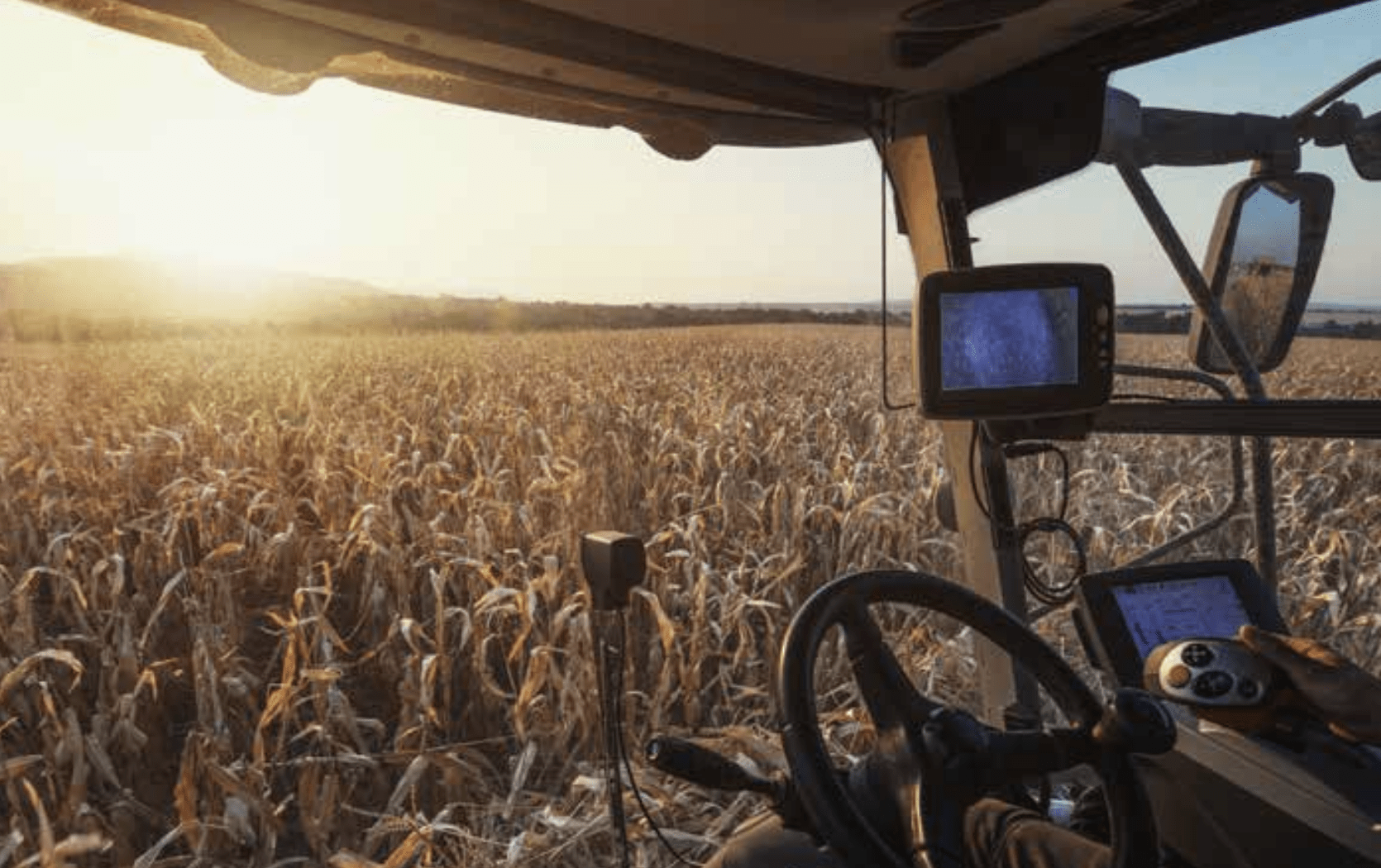 Canadian farmers and agri-food businesses are leaders in innovation and sustainability, but the sector is losing its global competitive edge/SPI
By Michael Twigg, Ryan Cooke and Olivia Richardson
October 27, 2025
The competitiveness and resilience of our food system need to be prioritized in the upcoming federal budget to ensure that Canada’s agri-food sector remains a cornerstone of our economy and a pillar of global food security.
Canadian farmers and agri-food businesses are leaders in innovation and sustainability, but the sector is losing its global competitive edge. Recently, Canada has slipped from the fifth-largest global agri-food exporter to eighth, due to rising costs, lagging revenues and a volatile production, supply chain and geopolitical environment. These factors are squeezing profit margins and eroding the sector’s economic and environmental resilience from farm to table. The causes are many, but three challenges stand out.
First, climate change and declining soil health are undermining the resilience and profitability of Canadian farms. In 2024, a national survey found that 76% of farmers were impacted by severe weather, while the Senate’s Critical Ground report warned of “widespread evidence of soil degradation”. In terms of profitability, Statistics Canada reports that farmers’ net incomes in 2024 dropped nearly 26%, the largest single-year decline since 2018.
Inaction on climate change and soil health will continue to increase costs for farmers, governments, consumers and industry. For example, payments by government-funded crop insurance programs that help farmers manage losses caused by natural events, like drought, have nearly tripled from $1.9 billion in 2018 to $5.7 billion in 2023. With three-quarters of Canada’s growing areas facing abnormally dry conditions in 2025, losses and payouts are likely to rise.
Second, Canada needs to seize more domestic food processing and manufacturing opportunities, or risk leaving dollars and jobs on the table. Raw commodities such as grains, pulses and livestock are an important part of the sector’s exports, but reliance on global markets leaves our products exposed to supply-chain disruptions or volatility in international commodity markets. Leveraging domestic processing and manufacturing opportunities will require capital. Reports have estimated that ingredient manufacturing alone could need up to $9 billion in investments over the next decade to realize its potential.
Third, Canada’s agri-food value chains need better tools and data to meet strict global sustainability requirements. Without the right tools, we face a widening compliance gap and could be left behind on the global stage. For example, the European Union’s Regulation on Deforestation-free Products has reset the bar for sustainability in food supply chains, with similar approaches emerging in the U.K. and Mexico.
Budget 2025 offers the federal government a chance to address these challenges and strengthen the sector’s resilience, competitiveness and climate readiness. Federal investments to address three key areas could secure long-term productivity and restore Canada’s leadership as a top agri-food exporter.
Budget 2025 can be a pivotal moment for the future competitiveness of Canadian agriculture and agri-food. Investments in building agri-food competitiveness and on-farm sustainability can improve resilience while maintaining access to premium export markets.
To protect what drives farm productivity, Canada must invest in resilience at the ground level, starting with agricultural soils. Healthy soil protects against droughts and floods and is central to farms’ long-term productivity. By adopting the Senate’s recommendation to recognize soil as “a strategic national resource” and making further investments in improving the health of agricultural soil, budget 2025 could prioritize farm yields, food security and export growth.
The federal government should collaborate with the provinces on a dedicated strategy to build soil health, and we see one opportunity to do so through modernized and proactive risk-management programs and policies. For example, exploring new insurance and financing models that proactively address risk and incentivize the use of soil-health practices would not only strengthen farm-level resilience to extreme weather events but also reduce insurance agencies’ exposure to the rising costs of insurance payouts. These investments should be paired with efforts to rebuild the agronomic support networks farmers rely on to learn about and adopt new practices, a key recommendation of our recent research on regenerative agriculture.
Second, the sector’s competitiveness depends on Canada’s ability to modernize and expand infrastructure that reduces our exposure to global market volatility, like investments in regional food processing or manufacturing hubs. Protein Industries Canada’s Road to $25 Billion report outlines the types of finance tools that could drive new value-added processing or manufacturing projects, including flow-through tax credits that allow companies to offer a portion of received tax credits to incentivize private investors. Investments in workforce and skills development are equally vital. This includes investing in training employees in digital literacy, regulatory compliance and sustainability.
Finally, seizing export growth opportunities depends on [Canada] upholding strict environmental and safety standards. This has become more important as global export markets are rapidly tightening sustainability and traceability requirements. Budget 2025 should include investments that open and maintain access to premium export markets, such as the E.U. and U.K. This means investing in digital and data-driven strategies and advanced reporting and traceability tools. We find that these tools would help the sector comply with sustainability standards, open new markets for carbon and ecosystem services and support better on-farm decision-making. These are not regulatory burdens but strategic investments in competitiveness and credibility.
Budget 2025 can be a pivotal moment for the future competitiveness of Canadian agriculture and agri-food. Investments in building agri-food competitiveness and on-farm sustainability can improve resilience while maintaining access to premium export markets.
These investments should not be considered costs, but rather strategic bets on Canada’s future prosperity. By investing in what drives on-farm productivity, we can secure affordable food at home, create good jobs in value-added processing and reclaim Canada’s place among the world’s top agri-food exporters.
Michael Twigg is the Director, Nature Economies at the Smart Prosperity Institute, University of Ottawa. He holds an M.Sc. in Environmental Policy from l’Institut d’études politiques de Paris (Sciences Po).
Ryan Cooke is the Program Director, Sustainable Agriculture at the Smart Prosperity Institute, University of Ottawa. He holds an M.Sc. in Environmental Sustainability from the University of Ottawa
Olivia Richardson is a Research Associate, Sustainable Agriculture at the Smart Prosperity Institute, University of Ottawa. She holds a M.A. in Geography from the University of Guelph.