
On Being Canadian: Welcome and Exclusion, Rejection and Resilience, Struggle and Survival
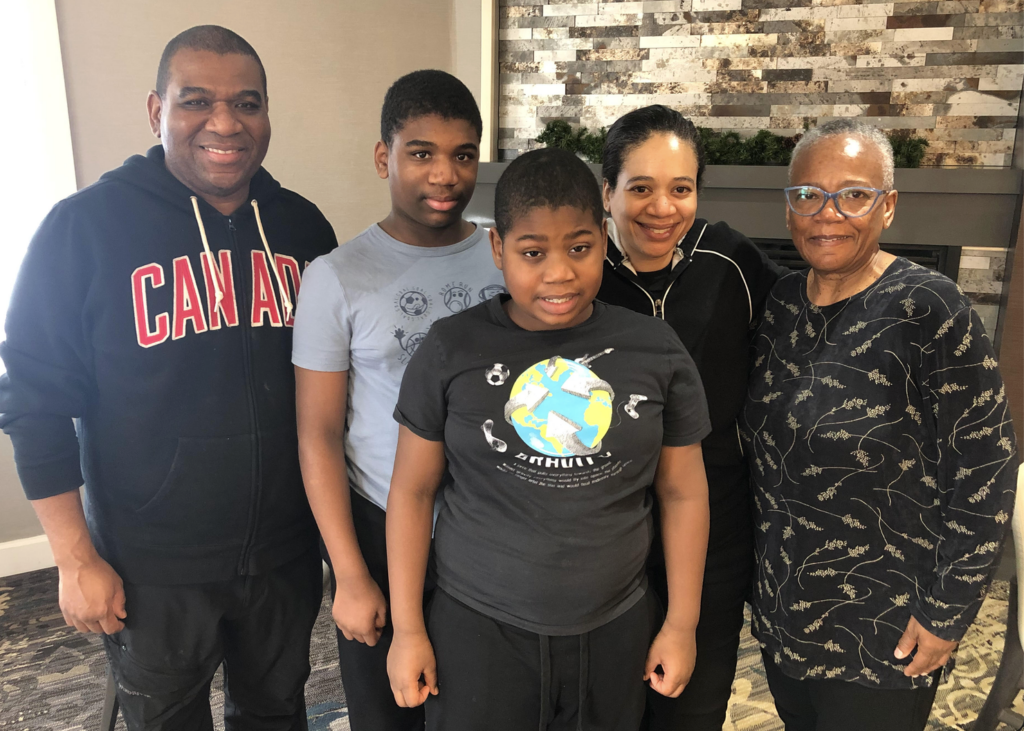
With daughter Candace, son-in-law David, and grandsons Damon and Gavin/Courtesy
This piece is part of our Policy series On Being Canadian.
June 28, 2026
My understanding of what it means to be Canadian has never been simple, static, or easily claimed.
It has been shaped by history, by personal experience, by the realities of anti‑Black racism, and by the deep relationships that have sustained African Nova Scotian communities for generations.
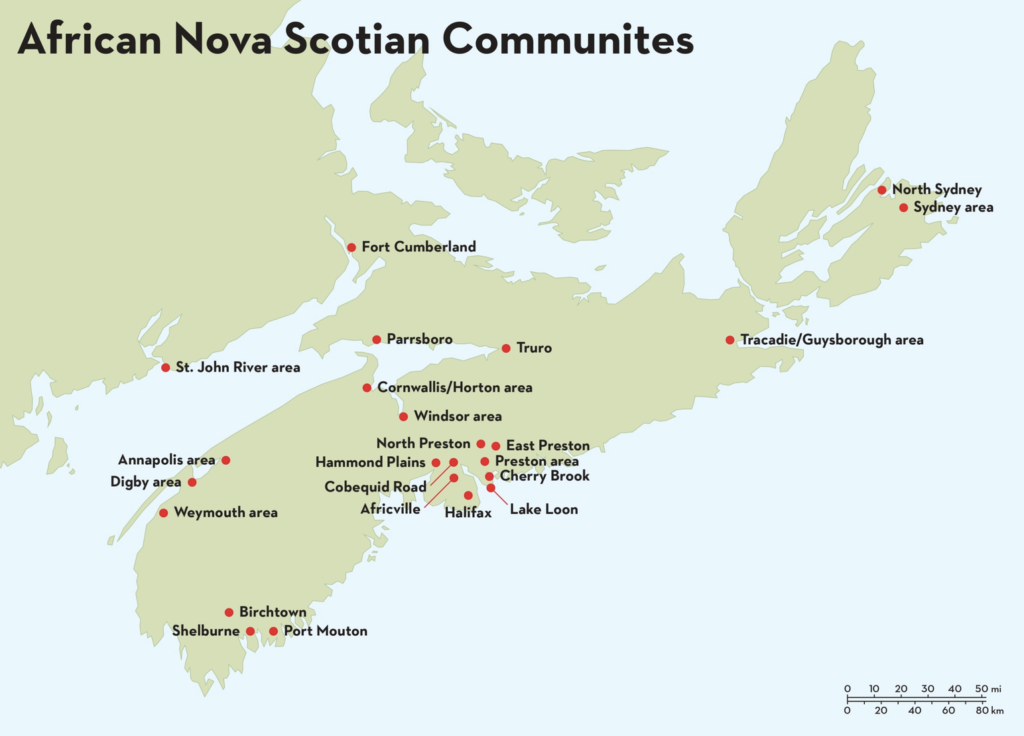
Although I can trace my ancestry in Nova Scotia back eight generations, and although I live on land in East Preston that was originally granted to Black Loyalists in recognition of their loyalty to the British Crown, I have never been able to take belonging for granted.
My identity as a Canadian has always been intertwined with the knowledge that my people’s history here has been defined by welcome and exclusion, rejection and resilience, struggle and survival.
Canadian Museum of History
For most of my life, I have called myself African Canadian or African Nova Scotian. These terms have felt more accurate, more honest, and more reflective of the layered identity I carry. They acknowledge my African ancestry, my Nova Scotia roots, and the distinct history of Black communities in this province, communities that predate Confederation and yet have often been marginalized and treated as perpetual outsiders.
The reality of anti‑Black racism, and the overt and subtle violence that accompanies it, have shaped my sense of belonging in profound ways. It is difficult to feel fully Canadian when your citizenship is constantly questioned, not in law but in daily interactions, assumptions, microaggressions and exclusions.
One of the most persistent reminders of this conditional belonging comes in the form of a seemingly simple question: “Where are you from?” When I answer “Nova Scotia,” the follow‑up inevitably comes: “No, where are you really from? Where are you originally from?”
These questions — based on nothing more than skin colour — repeated over a lifetime, send a clear message: you are, quite literally, not seen as belonging here. You are not imagined as part of the Canadian story. You are viewed as an addition, an exception, an asterisk, or an outsider, even when your family has been rooted in this land for centuries.
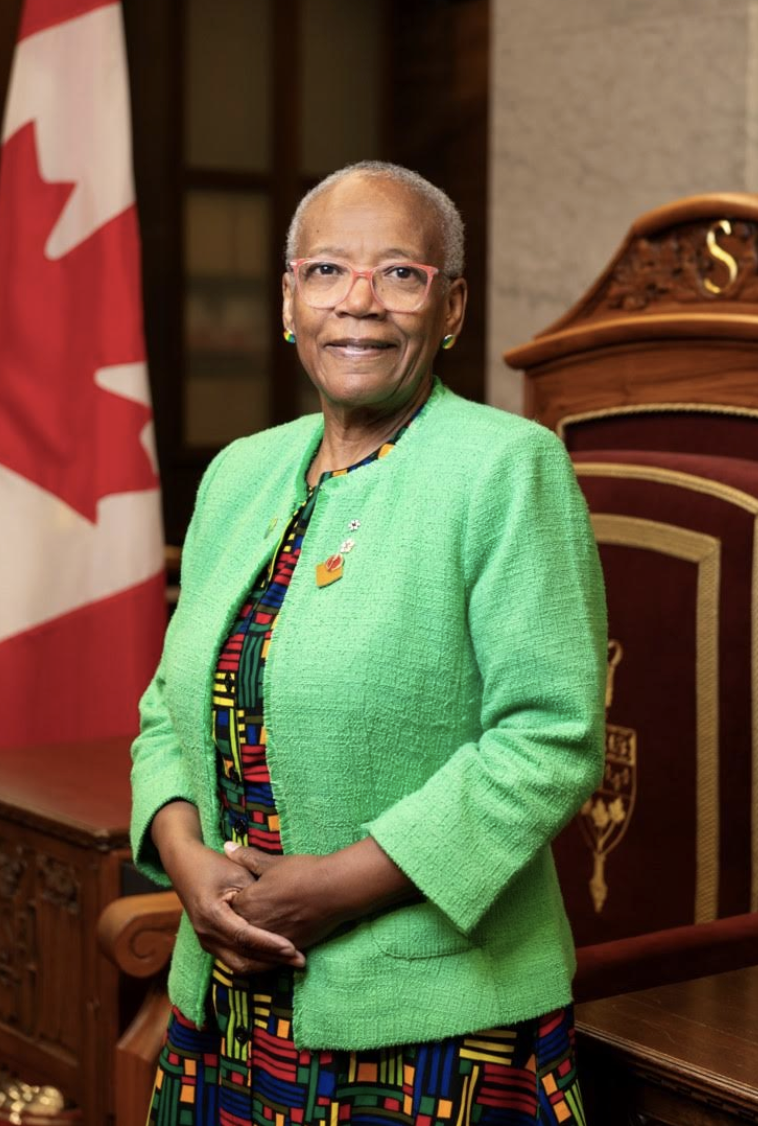
In the Senate Chamber
Even when you are a member of the Canadian Senate.
In total honesty, the first time I truly felt Canadian was not in Canada at all. It was during my first trip to England with my late husband, George. To our surprise, people repeatedly assumed we were American. We found ourselves quickly correcting them — “No, we’re Canadian” — and for the first time, we did not qualify that statement by saying, “African Canadian.”
Something about being outside the country, being misidentified, and being compelled to assert our national identity awakened a sense of Canadianness that had not been affirmed at home.
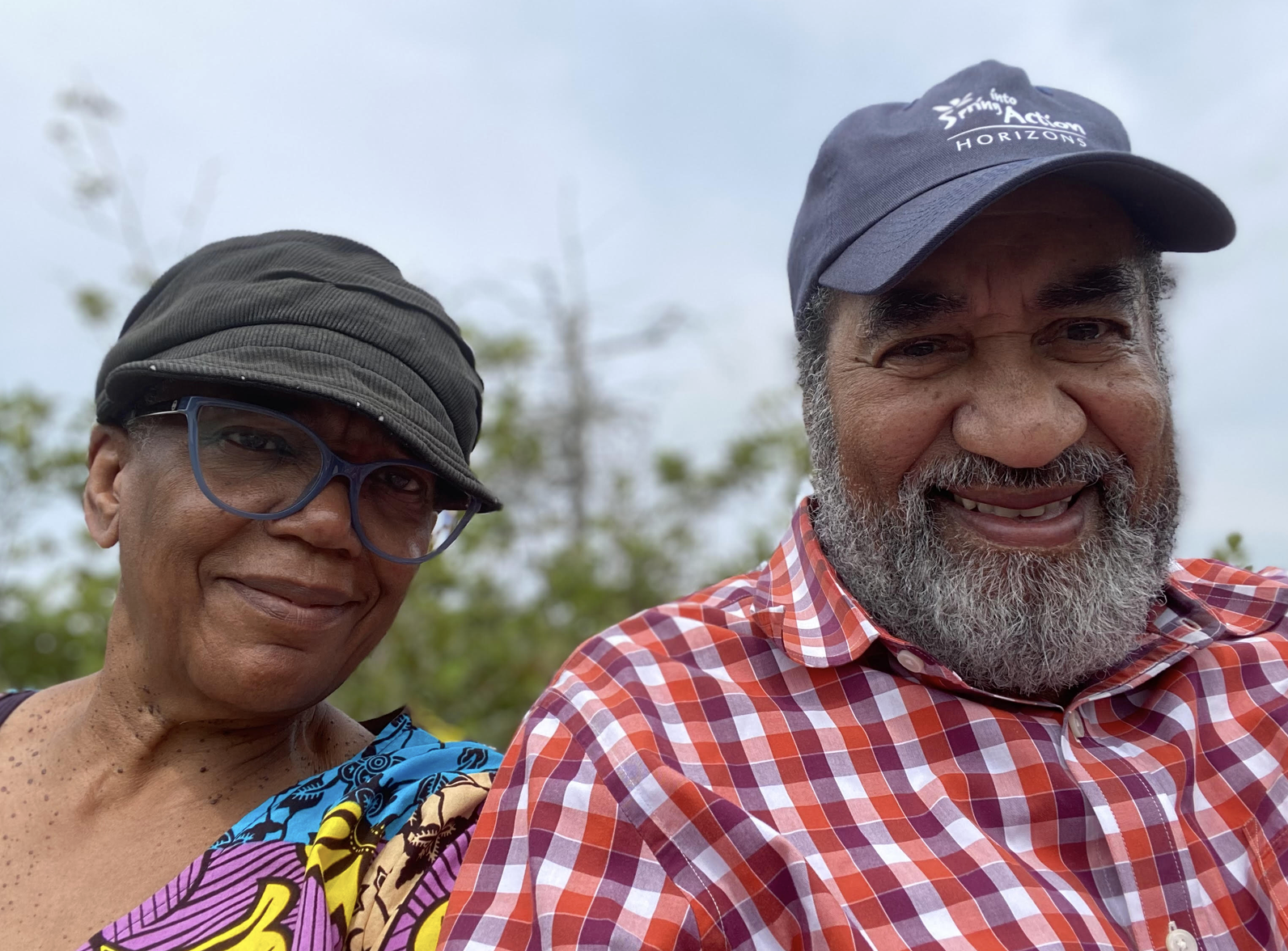 With my late husband, George Bernard, in East Preston
When we later moved to England for my doctoral studies, George wore a Canada lapel pin on every coat he owned. It was a quiet but powerful declaration of pride, belonging, and identity — one that felt easier to claim abroad than on Canadian soil.
This tension between identity and belonging continues to surface in my conversations with my fourteen‑year‑old grandson, Gavin.
He often asks why I call myself African Canadian. It is painful to explain to him that this choice is rooted in a lifetime of being made to feel that I do not fully belong here. It is difficult to articulate the emotional weight of being asked, implicitly and explicitly, to justify your presence in your own homeland.
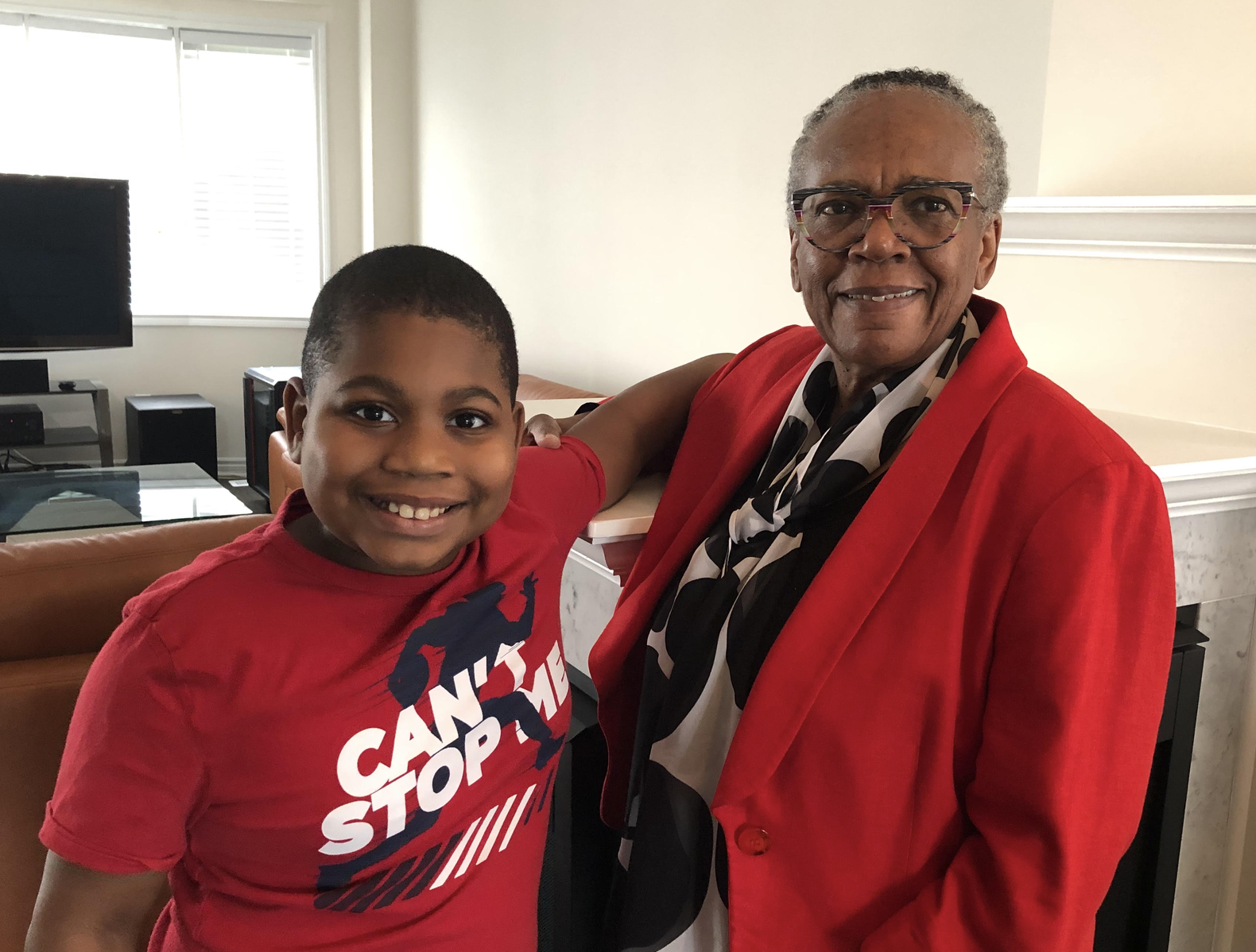 With my grandson, Gavin
It is difficult to explain to my grandson the layers of anti-Black racism that I have actively fought against for over 50 years. And yet, I answer him openly and honestly, because I want him to understand both the history we inherit and the more socially just future we are working to build.
My understanding of being Canadian is also deeply shaped by my commitment to Reconciliation and my respect for the First Peoples of this land.
I know that the survival of African Nova Scotian communities, especially in the early years of our ancestors’ arrival, was made possible through relationships with Mi’kmaw people. Their generosity, knowledge, and solidarity helped sustain Black families who were often abandoned by the very government that had promised them land, freedom, and opportunity.
I carry that history with gratitude and humility. To me, being Canadian means acknowledging these relationships, honouring the original peoples of this land, and working toward a future grounded in justice.
In Canada, it’s a future we can all still hope for.
Senator Wanda Thomas Bernard, the first African Nova Scotian woman in the Senate, advocates for reparations and social justice to dismantle the systemic inequalities facing marginalized communities.