
On Being Canadian When the Stakes are High
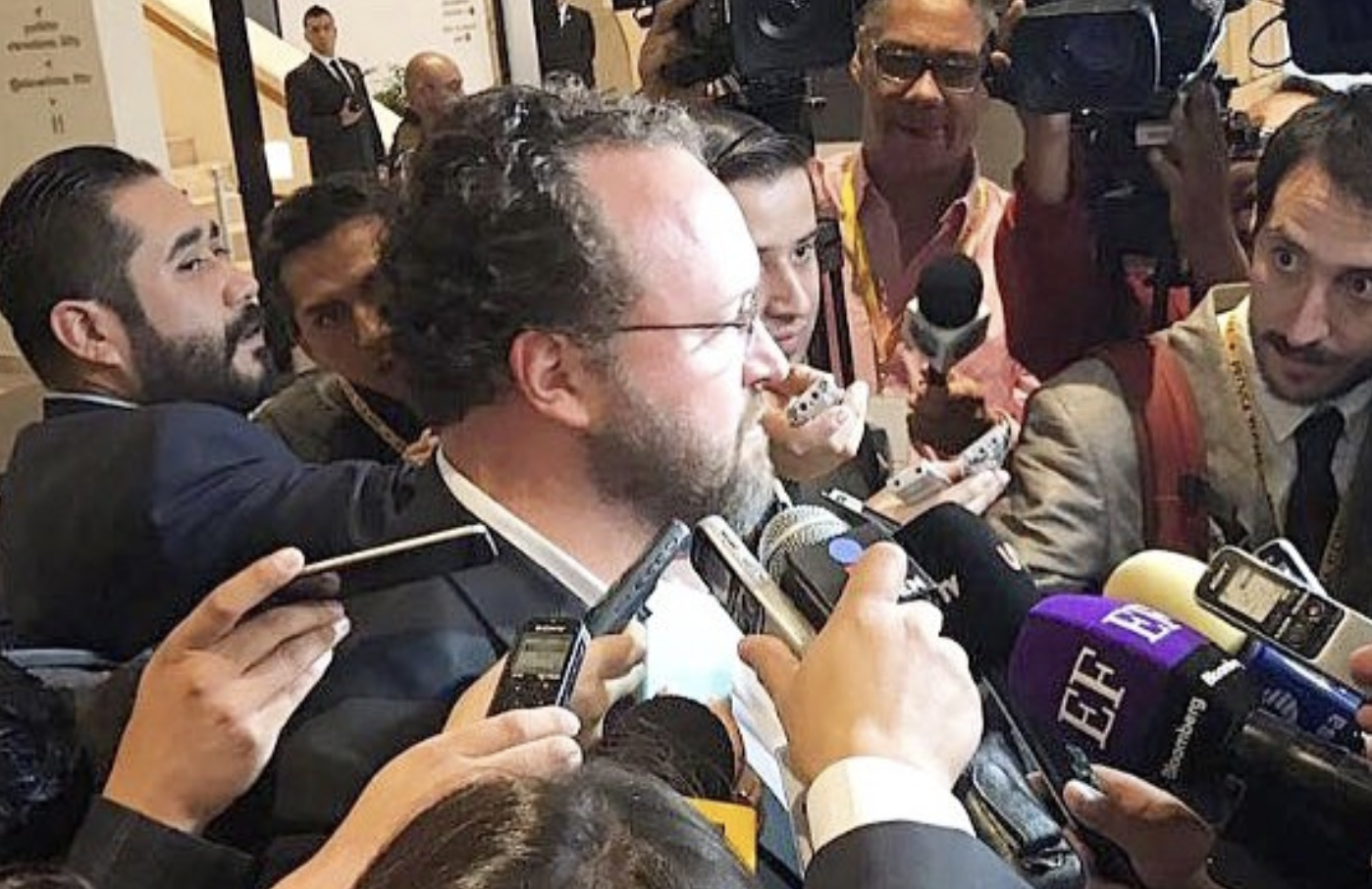 In the eye of a scrum in 2024/APMA
This piece is part of our Policy series On Being Canadian.
By Flavio Volpe
July 18, 2026
I like being Canadian.
I don’t say that because Canada is perfect. It isn’t. I say it because this country has been good to me, because it is worth standing up for, and because I have seen what Canadians can do when we decide something has to get done.
I was born and raised here, the son of parents who came from Italy — my father, Joe, from Puglia and my mother, Mirella, from Lazio. Their experience shaped my view of Canada, but it isn’t what makes me Canadian.
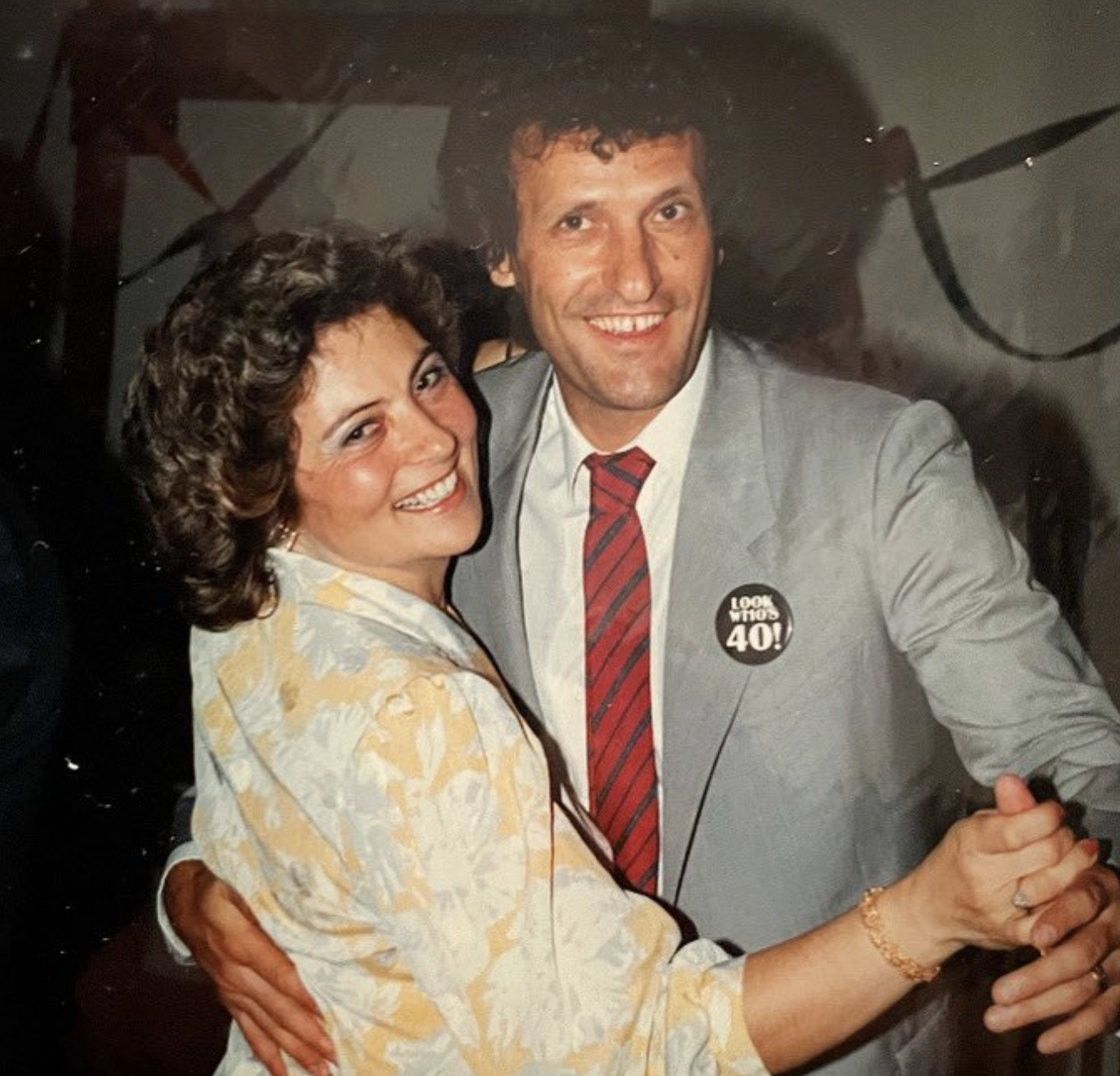
My mom, Mirella, and my dad, Joe, on his 40th birthday.
My parents chose this country. My dad made a career as a teacher and then entered politics, serving as the federal MP for Eglinton-Lawrence from 1988-2011.
I went to school in Canada, worked in its public service and built my career here. I have also had the privilege of representing Canadian interests abroad and across some difficult negotiating tables.
When I stand up for Canada, I’m not repaying a debt on behalf of my immigrant parents. I’m doing what I believe all Canadians should do for their country.
We sometimes make belonging more complicated than it needs to be. Canada’s diversity is one of its strengths, but a country has to be more than a collection of communities carrying memories of somewhere else. At some point, we have to belong to each other.
When I was younger, being Canadian was mostly just a fact of my life. I appreciated it but didn’t spend much time examining it. Canada was prosperous, stable and respected. Its institutions generally worked and its place in the world seemed secure.
Like many people of my generation, I enjoyed the benefits of being Canadian without worrying very much about whether they would last.
Geography worked in our favour. We lived beside the world’s largest economy and had privileged access to its market. Our alliances were stable, international rules were mostly predictable, and the United States carried much of the cost of defending the system from which we benefited.
We became comfortable. I certainly did.
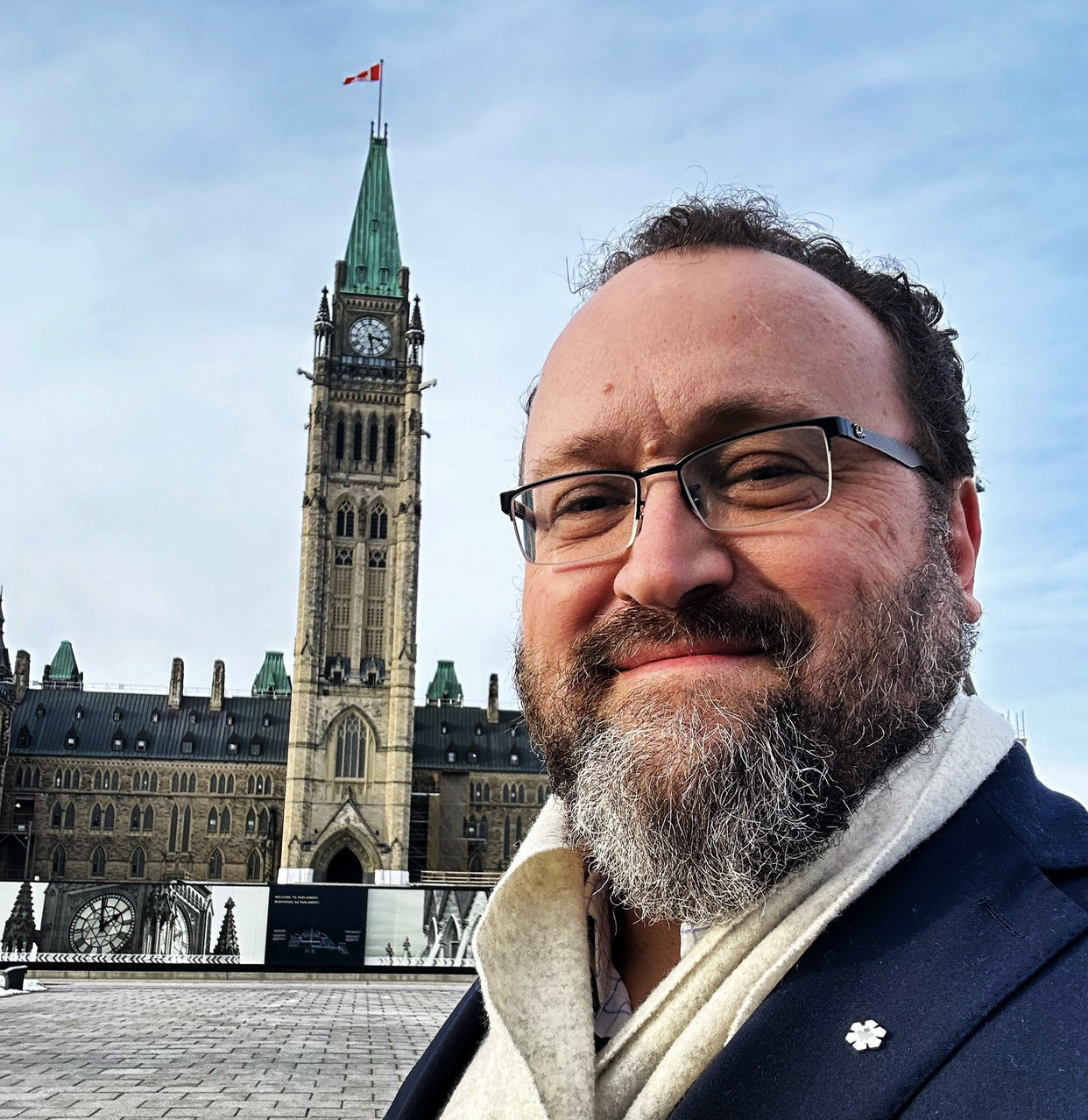
Over the last several years, my understanding of being Canadian has changed. I once thought of it mainly as belonging to a good country. Today, I think more about my responsibility for whether it remains one.
The pandemic was part of that change. Canada suddenly faced serious shortages of masks, ventilators and other medical equipment. Products we assumed would always be available simply weren’t. Governments needed help quickly, and Canadian manufacturers were asked to make things many had never made before.
Factories adapted, supply chains were reorganized and people worked through problems without waiting for perfect instructions. Nobody thought Canada should make everything it consumes. But we did learn that there are certain things a serious country must be able to do for itself, especially when every other country needs them at the same time.
Canada became less abstract to me during those months. It was the nurse who needed protection, the manufacturer retooling a plant and the public servant trying to solve a problem for which no process existed.
Being Canadian suddenly meant making yourself useful when something important was at risk.
I saw it again in 2022, when the blockade of the Ambassador Bridge stopped hundreds of millions of dollars in daily trade. Workers on both sides of the border faced layoffs and plants began shutting down.
The bridge had to reopen. We went to court because waiting for someone else to solve the problem was not an option. I was proud of our team, of the companies involved, and of the public officials who understood the consequences of allowing it to continue.
That experience left me with a more practical view of national responsibility. Institutions matter only when people are prepared to use them. Recognizing a crisis is not leadership. Someone has to accept responsibility for what happens next.
That lesson has stayed with me as Canada’s relationship with the United States has become more difficult.
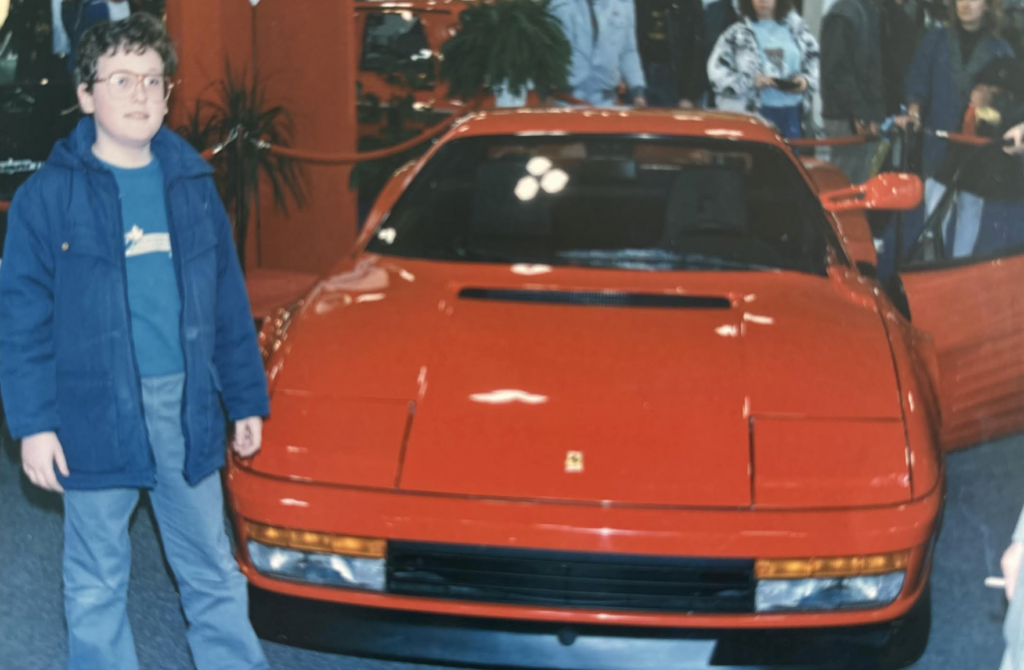
The moment I fell in love with the Ferrari Testarossa at the 1986 Toronto Auto Show and launched my life as a ‘car guy’.
I have spent much of my career in the automotive industry. Canada and the United States don’t simply trade finished products. We make them together. A component can cross the border several times before it is installed in a vehicle.
When tariffs threatened that relationship, being right about how the industry worked was not enough. Canadian companies, workers, and governments had to make the case repeatedly and at every level.
We secured an exemption for Canadian auto parts because people stepped forward to defend an industry that supports communities across the country.
These experiences have made me more patriotic but less sentimental about patriotism. I no longer believe that loving Canada means assuming everything will work out because it usually has. Caring about the country requires us to be honest about where it falls short.
Canada has enormous advantages, including energy, natural resources, advanced industries, talented people, and access to three oceans.
Too often, we admire those advantages instead of using them.
We consult when we need to decide. We celebrate Canadian innovation and then buy the established foreign product. We allow important capacity to disappear because maintaining it looks expensive, only to discover that rebuilding it costs much more or can’t be done.
We are not a small country. We are a large country that too often behaves like a small one.
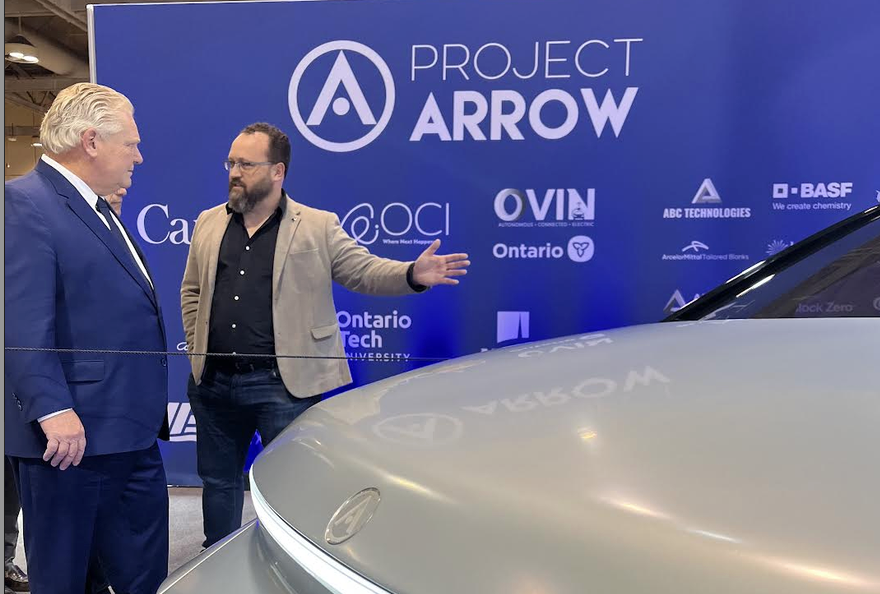 With Ontario Premier Doug Ford and the Arrow EV in 2023.
That frustration helped produce Project Arrow, Canada’s first zero-emissions concept vehicle. We didn’t need another report telling us that Canadian automotive technology existed. We needed to build something, bring our capabilities together, and put the result in front of the world.
Canadian suppliers, researchers and institutions answered the call. The vehicle demonstrated what we could do and produced real opportunities for participating companies.
It worked because we set a deadline and had to deliver something people could see and judge for themselves.
For me, Arrow was also an expression of Canada. It showed what happens when we stop waiting for someone else to validate us and make our own case.
The world has become more competitive and less forgiving. The United States remains our indispensable economic and security partner, but we can’t assume that every American administration will naturally accommodate Canadian interests.
Countries are treating energy, food, minerals, technology and manufacturing capacity as sources of national power. Canada has discussed this shift for years as though it were coming. It is already here.
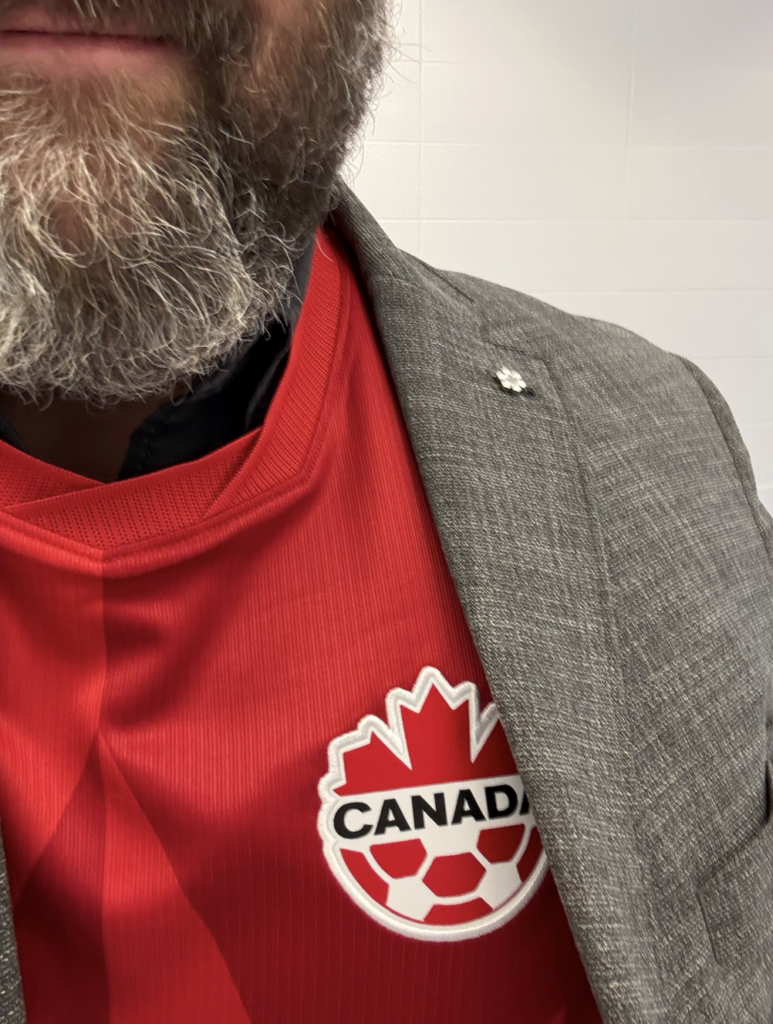
I remain hopeful because I have seen Canadians deliver. Our workers, engineers, entrepreneurs, athletes, and public servants can compete with anyone, anywhere in the world. When the stakes are clear and failure isn’t an option, we usually find an answer.
I just wish we didn’t have to get so close to failure before acting.
Being Canadian still means belonging to a good country. But for me, it now also means accepting responsibility for what happens to it. It means stepping up when something important is at stake, even if the problem doesn’t arrive neatly inside your job description.
I like being Canadian. I love this country enough to be honest about its shortcomings, and more than enough to keep betting on it.
Flavio Volpe, C.M., is President of the Automotive Parts Manufacturers Association of Canada.