
The CUSMA Crunch: Leblanc and Charette are More than Good Cop/Bad Cop
June 10, 2026
Today was the day when Donald Trump issued the inevitable pronouncement that he’d prefer not to renew the Canada-US-Mexico (CUSMA) agreement at all.
While only time will tell how much of that statement was posturing, it raises the question of how Team Canada will approach this new phase in the evolution of the deal.
This time last year, many observers in both Canada and the United States were speculating that Prime Minister Mark Carney and Ontario Premier Doug Ford were using the time-honoured “good cop/bad cop” strategy as a framework for Canada’s trade negotiations with the United States.
But Ford has gone too far both in the tone and the substance of his comments. He’s managed to piss off the White House badly enough to turn him from bad cop into persona non grata.
It is now largely up to Canada-U.S Trade Minister Dominic LeBlanc and Chief Trade Negotiator Janice Charette to find a path forward based on mutual benefit.
While LeBlanc and Charette bring many skills and experiences to the table, there is one thing they both excel at that could give Canada a real advantage: they have both mastered the art of speaking truth to power through soft skills and diplomacy, rather than the hard-edged rhetoric that we’ve seen from Premier Ford.
Did Carney and Ford have a real good cop/bad cop strategy or did it just look that way? It’s possible that the Prime Minister’s Office couldn’t wrangle Ford even if they wanted to, so perhaps the “bad cop” has always been an independent, rogue actor rather than a synchronized partner.
As soon as President Trump first started talking tariffs following the U.S. election in November of 2024, Premier Ford eagerly stepped up as Captain Canada. The timing of Trump’s hostility was awkward in that then Prime Minister Justin Trudeau was in the process of leaving politics and Mark Carney was in the wings but not yet in the job.
As premier of the largest province and then chair of the Council of the Federation, Ford was the obvious person to fill the void. He showed up to a First Ministers’ Meeting in January of 2025 wearing a hat with the slogan “Canada is not for sale,” a patriotic and galvanizing response to Trump’s musings about Canada becoming the 51st state.
Ever since, Premier Ford has been using President Trump as a chief political opponent. He called an early election for February of 2025 and won a third majority after spending the campaign promising to protect Ontario jobs against Trump’s tariffs.
He’s banned the sale of American booze. Other premiers have done the same, but the LCBO is one of the largest buyers of alcohol in the world, which means his boycott hurts worse than anyone else’s.
Instead of a good cop/bad cop routine, Canada now has a negotiator and a fixer at the helm of Team Canada.
Premier Ford has travelled to the U.S. many times over the past 18 months, speaking to media outlets like CNN and Fox and meeting with businesses, investors, stakeholders, and politicians — all in an attempt to persuade them of the value of Canada-U.S. economic integration. He even travelled to the U.S. during the provincial writ period.
But in October of 2025, in a fateful move that angered President Trump so much that he brought trade talks to a halt, the Government of Ontario purchased an ad for broadcast on major American television networks that featured clips from a weekly radio address that President Ronald Reagan delivered in 1987 in which he expressed his support for free trade and his problems with tariffs.
Trump was evidently incensed at the use of Reagan’s words against him, and cancelled “all trade negotiations” with Canada. We haven’t seen any movement since, though Leblanc says bilateral talks have been “unfrozen” for a number of months.
Most recently, Ford was scheduled to hold a reception in Washington, with US Chamber of Commerce chair Ross Perot Jr. However, the event got cancelled at the last minute.
While the Chamber attributed the change to scheduling conflicts, sources are telling the media that the real reason is that the White House sees Ford as a problem – and they let the Chamber know it.
It’s hard to know whether and to what extent Ford’s actions have caused real harm to trade and tariff negotiations. If he had stayed out of it, would we be any further ahead in alleviating tariffs? Likely not, particularly given statements from both President Trump and U.S. Trade Representative Jamieson Greer about the importance of tariff policy in protecting the U.S. economy. At the same time, it’s hard to argue that Ford is doing any good.
While formal negotiations between the two countries have yet to start, LeBlanc and Charette met with Greer in Washington on June 2nd.
LeBlanc described the meeting as “positive” but to keep talks moving in the right direction, Team Canada will not be sharing the details of the conversations or their overall strategy with the public.
Charette has explained that the best scenario for Canada would be the “lowest possible tariffs on the narrowest basket of goods.”
LeBlanc and Charette have worked closely together before. While he was a minister in the Trudeau government, she was Clerk of the Privy Council (twice) and High Commissioner to the UK.
As the highest-ranking public servant in the country and as a diplomat, Charette has a world of experience in finding the right words, both in tone and substance, for difficult conversations with powerful people.
LeBlanc is known as a political fixer with a high degree of emotional intelligence, a quick wit, and a knack for interpersonal relations. He gets along with the premiers, Ford included, which will be extremely important in ensuring intergovernmental cooperation on any negotiations with the U.S.
Instead of a good cop/bad cop routine, Canada now has a negotiator and a fixer at the helm of Team Canada. While tough talk and big gestures might be interesting to watch and even give us the shot in the arm we need from time to time, it could just be that quiet diplomacy is what wins the day.
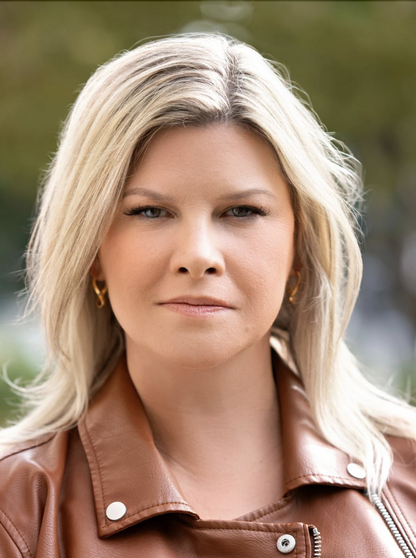
Dr. Lori Turnbull is a professor in the Faculty of Management at Dalhousie University.