
‘The Marionette’ and Political Satire in Trumpian Times: A Policy Books Q & A with Terry Fallis
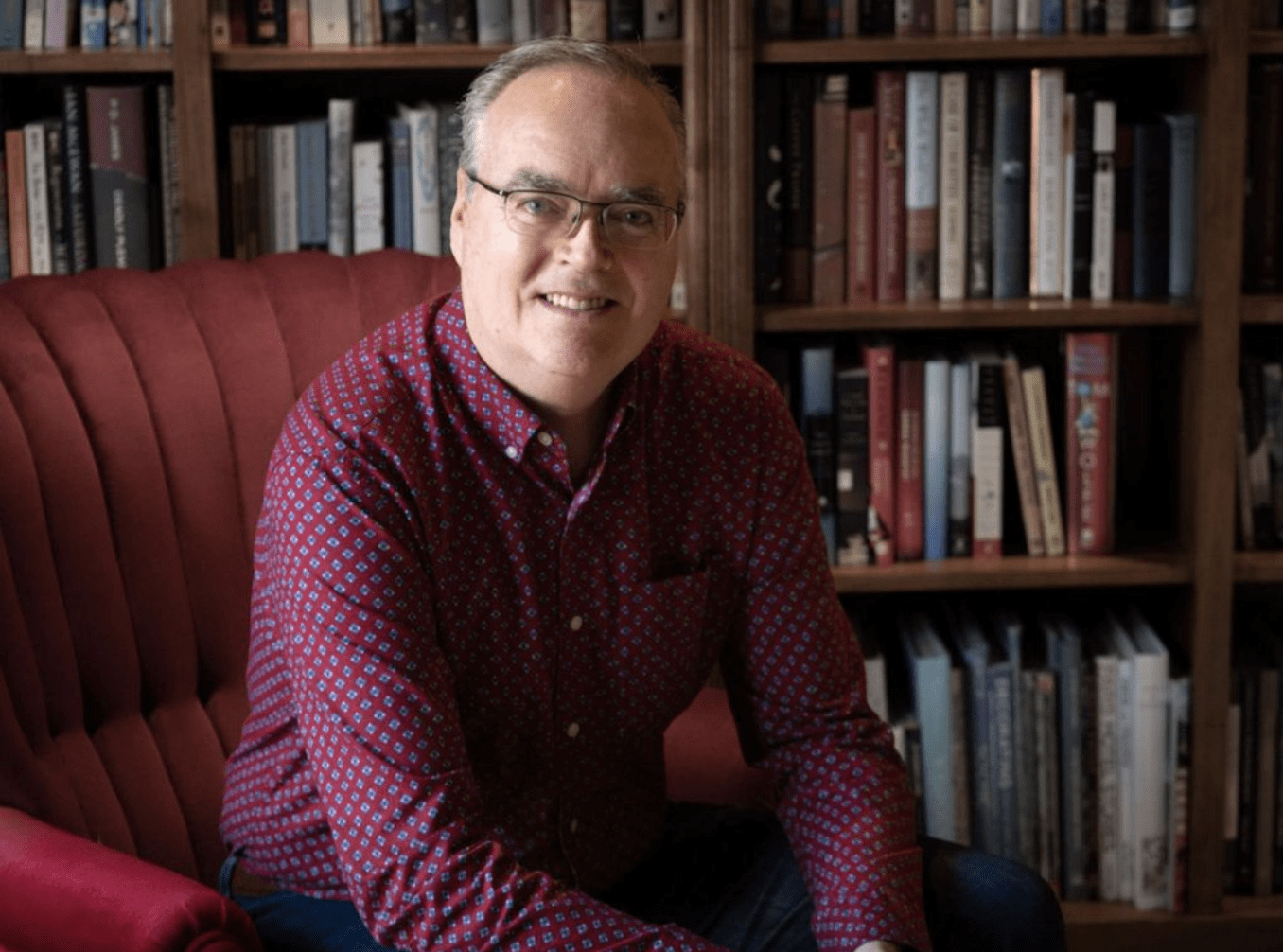
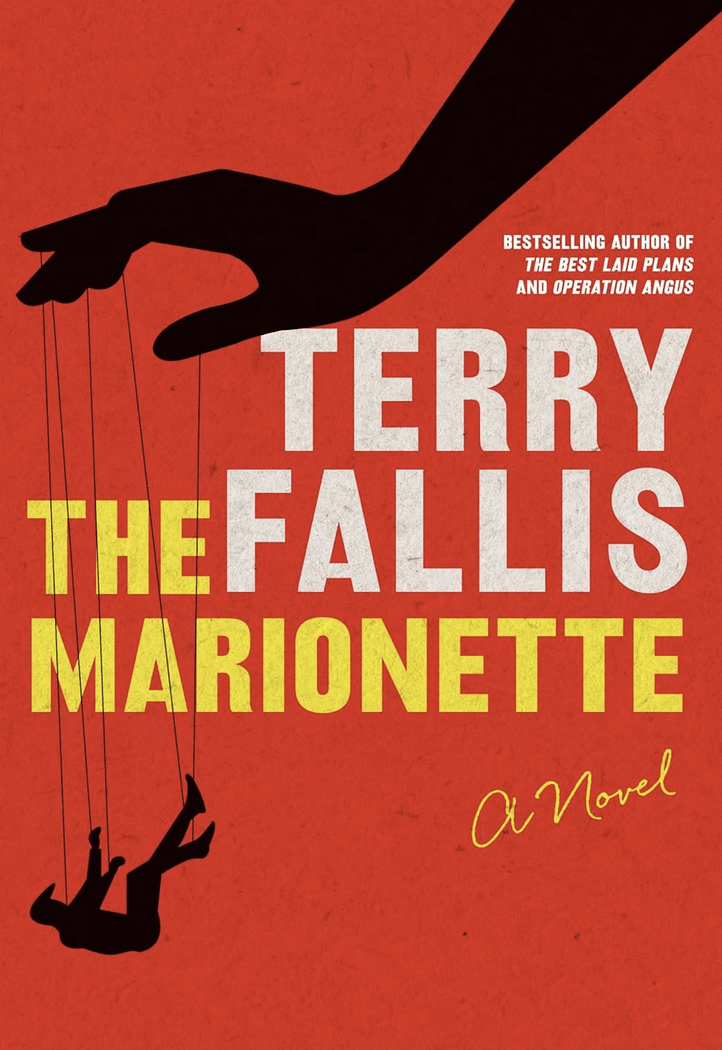
Canadian novelist Terry Fallis — well known to Policy readers as both a former political strategist and a Leacock Medal winner — has just published his 10th novel, The Marionette, out now from Penguin Random House. It is a story of geopolitical intrigue, the action spurred by a peaceful coup in Mali and its implications for the new president, the workers of a Canadian mining company and the book’s protagonist, a writer of espionage thrillers. Policy editor Lisa Van Dusen, who reviewed the Marionette for Policy, chatted with Terry Fallis by email.
Lisa Van Dusen: It’s clear in your books that you love politics — that fictionalizing political culture is your way of expressing that, in a way that’s not Panglossian but that still sees the good in people. I guess the question I have for a political romantic who spent time in politics before social media, before Trump, before politics went nuts, is …how are you doing? Is there anyone I can call?
Terry Fallis: Ha! Great question. And now that I’ve looked up Panglossian in the dictionary, I’m ready to respond. My first two novels, The Best Laid Plans (2008) and The High Road (2010) were my own lamentations on the state of politics, but sown with the seeds of hope. Regrettably, those seeds apparently have not yet taken root! Who could have predicted the rise of the petulant orange problem child south of the border? It’s been quite a harrowing 20 years since I wrote my first novel. You asked how I’m doing? Well, I’m under the care of several physicians, psychologists, social workers, life coaches, and an emotional support hamster. So I’m in good hands and hanging in there, my optimism intact.
LVD: In The Marionette, your hero, James Norval, applied for a job as an intelligence operative at CSIS earlier in his life and was rejected. I won’t spoiler the “why”, but he felt so strongly about it that it seemed like something you might have entertained. Did you? If you tell me will you have to kill me?
TF: I think I’m more like James Norval the writer than I am James Norval the aspiring CSIS operative. Although earlier in my life I was a member of a clandestine organization known as LAPI—surely you’ve heard of it. No? Leaside Amateur Private Investigators. Yes when I was 10 years old, after spending the entire summer reading Hardy Boys novels, my identical twin brother (who was also 10, by the way) and a friend from down the street formed LAPI to rid our leafy and sedate Toronto neighbourhood of crime’s scourge. Our biggest case—okay, our only case—remains a cold case to this day. But it did spark a lifelong interest in the secret world of intelligence agencies, eventually yielding this novel.
LVD: One of the things about The Marionette that stands out is its real-world groundedness. Has the chaos that dominates politics now made it more difficult for you to write fiction about politics in a way that readers whose political suspension of disbelief has been relentlessly warped by Donald Trump will find realistic? Do you sometimes feel like you’re now writing science fiction because your plots and characters are so fundamentally rational and relatable?
TF: It has certainly been a strange time for political satirists. I’m often asked why I don’t write a political satire about Trump’s Washington. Well, the short answer is, Trump has taken the satirists’ pens right out of our hands. I could not possibly create a story that can compete with the daily reality we’ve confronted since Trump raised his tiny right hand to take the oath of office. So I’m avoiding political satire until Trump is, once and for all—he says optimistically—out of the White House and my nightmares.
LVD: This is not a complaint — I only mention it because it struck me about halfway through that there’s no swearing in The Marionette , and while I didn’t do an F-word master search of your nine other novels I’m guessing based on a quote from The Best Laid Plans that “the use of profanity for effect” is “a practice of the weak-minded”, you prefer not to use profanity for effect. But there were moments during The Marionette — when James was being interrogated in a jail cell in Tajikistan, for instance — when I was swearing and I was just reading it. Have you ever made an exception?
TF: You’re right, I tend not to use too much hard-core profanity in my novels except when there are characters who would generally be expected to hurl a few profane epithets when they are onstage in the novels. In particular, a nasty tough guy named Mason Bennington in my fifth novel, Poles Apart, dropped a few F-bombs. It would be strange if he hadn’t. When that novel came out, I received several letters and/or emails from readers with more delicate sensibilities when it came to that character’s vocabulary, and they let me know they weren’t happy about it. So I still will occasionally employ profanity in my novels, but sparingly and only in service of the story’s authenticity.
LVD: Do you set aside some time every day to thank the gods of second acts that you found a creative, rewarding, reasonable alternative livelihood a decade before anyone else in politics foresaw the benefits of a Plan B?
TF: Excellent question. And yes, since 2005 I have pinched myself every day that I somehow found a vocation that has become a passion. I know writing novels is a lot of work. I understand that. It just doesn’t seem like work to me. I enjoy pretty well every aspect of the writing life. My only regret—and it’s a small one—is that I didn’t start writing novels sooner. I was 45 when I wrote The Best Laid Plans. And I’ve been trying to make up for lost time ever since!
Policy Editor and Publisher Lisa Van Dusen has served as Washington bureau chief for Sun Media, Washington Columnist for the Ottawa Citizen, international writer for Peter Jennings at ABC News, and as an editor at AP National in New York and UPI in Washington.