
Trump’s War in Iran is Further Diminishing America, and the Order it Led
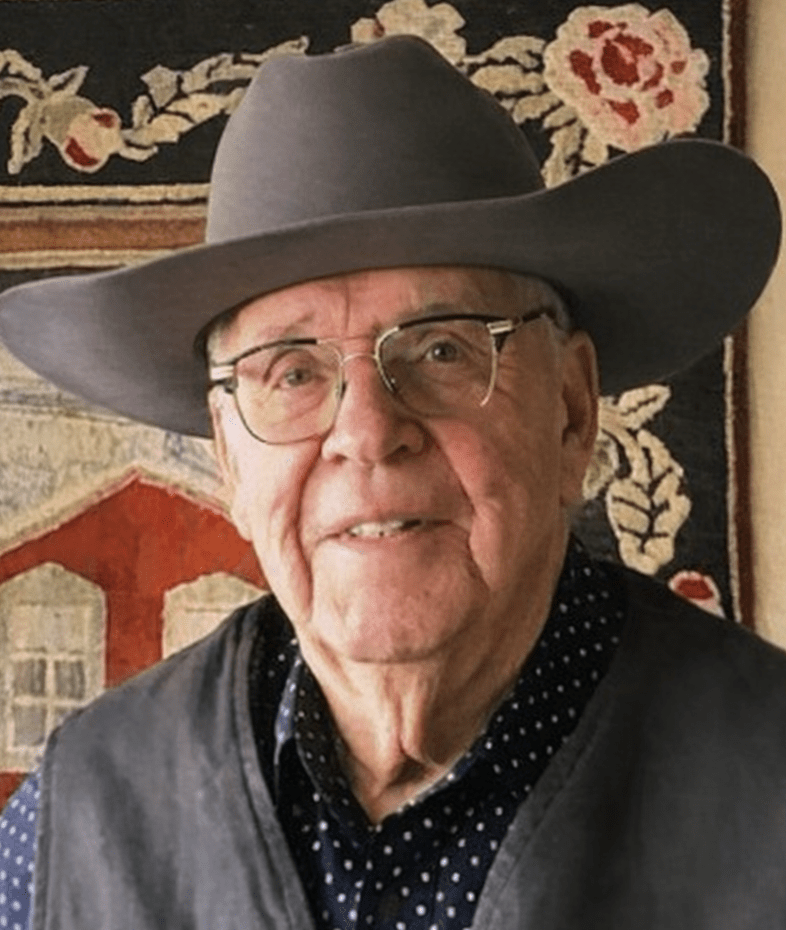
By Derek Burney
May 1, 2026
The world’s geopolitical tectonic plates are shifting dramatically amid the uncertainties arising from the Iran war and Donald Trump’s alienation of erstwhile allies in Europe and Asia and, of course, Canada.
Not surprisingly, many are now looking for ways to reduce their dependence on the U.S. and exposure to Trump’s volatility, and to safeguard their vital security and economic interests by other means, including by doing more themselves.
After decades of leaving security concerns primarily to the U.S. as they increased purchases of U.S. weaponry, the Europeans are now determined to spend more — 800 billion Euros — on defence production in Europe. EU Article 42.7 (the mutual-defence equivalent of NATO’s Article 5) is being sharpened to provide a more structured response on security. The EU is hedging its bets for a scenario where it may have to stand more on its own.
To be clear, the debate about greater European security autonomy within and vis-à-vis NATO dates back at least as far as the Clinton administration, when Deputy Secretary of State Strobe Talbott argued for greater European strategic capabilities to reduce the burden on the United States. What had for years been a largely academic debate has, since the dawn of the second Trump presidency, become a more urgent imperative.
The Europeans are also seeking alternatives to overreliance on the U.S. on financial matters, e.g. the dominance of Visa and Mastercard for credit cards as well as other U.S.- dominated financial platforms. Several European countries have already moved gold reserves from the U.S. to their own bank facilities. With the resounding defeat of Viktor Orban in Hungary, the EU is now able to provide 106 billion Euros of financial aid to Ukraine to help replace the void left by the U.S.
Meanwhile, China is intensifying its two-decade effort to establish the yuan (renminbi) as competitive with the U.S. dollar as the global reserve currency – a move Europeans and others may choose to endorse. On this and other fronts, China sees obvious strategic advantage in exploiting the U.S. – Europe divide.
In Asia, because of uncertainties in Iran, allies like Japan and Korea are desperately looking to Russia and Iran for relief on the energy front and are actively courting China on energy security and green technology.
Meanwhile, the competition for developing AI will not be helped by a divided Western alliance and governance disarray in Washington.
Trump’s unambiguous lunges to seize Greenland proved to be a red line for much of Europe. That and his persistent threat to withdraw from NATO, ostensibly because several Europeans declined to join the Iran war bandwagon — about which none had been consulted — is intensifying efforts for greater self-reliance.
Trump’s alienation of America’s long-nurtured allies follows his decade-long cultivation of closer ties with adversaries like Russia’s Putin and China’s Xi.
Confusion over what will happen in Iran is generating a crisis of confidence in America. As the war drags on inconclusively it is increasingly unpopular in America, exacerbating further concerns about affordability.
The political mood is sour. Congressional deadlocks over the funding of agencies within the Department of Homeland Security have persisted for more than seventy days. Frustration over the gap between what the public wants from Washington and what it is getting is palpable in the U.S.
Polls suggest only one-third of Americans are optimistic about America’s global standing. Failures in Vietnam, Iraq and Afghanistan haunt perceptions about what is happening today in the Middle East.
As a consummate dealmaker, Trump apparently seldom reflects on the ‘knock-on’ effects of his global actions or his bombastic rhetoric. No-one in the administration seems willing to install guardrails to control or temper his actions.
As Richard Haass, president emeritus of the Council of Foreign Relations, and formerly a senior policy official in the State Department, observed to Politico: “If there were an appreciation that bullying was no longer a likely-to-succeed tactic you’d see a move away from it, but there’s no real sign that Trump is doing so.”
Trump’s alienation of America’s long-nurtured allies follows his decade-long cultivation of closer ties with adversaries like Russia’s Putin and China’s Xi. His unilateral decision to invite Putin to a G20 meeting in Miami later this year adds more consternation to the mix. Except for Israel, he has virtually no bona fide allies who trust and support him.
Despite the genuine sympathy prompted by the third assassination attempt on him, Trump’s disdain for ‘would-be’ friends is leading the U.S. away from the world center of gravity and posing real risks to world order.
The message for Canadians in this circumstance is clear: adopt a careful and shrewd response in the CUSMA negotiations. Make no unilateral concessions upfront unless the U.S. makes some of its own. Above all, know you are dealing with an American administration whose credibility and capability is flagging at home and abroad.
Canada should keep its powder dry for any trade negotiation and continue to strengthen its leverage at home by rapidly developing resources at for exports to more receptive markets, not to replace the U.S. but to inject a more pragmatic balance in trade relations. We should also prudently monitor and adopt developments in the EU that would serve our self-interest.
As Chief of Staff to the Prime Minister and Ambassador in Washington, I had many frank exchanges with senior Americans such as James Baker and Colin Powell.
They were hard as nails on the issues of the day but neither crude nor overbearing. Our conversations were spirited on occasion but never demeaning. We shared the objectives of our two leaders on issues including free trade and acid rain and were determined to resolve challenges, not create problems.
Sadly, that reason and lucidity are missing in Washington today.
Derek H. Burney is a former 30-year career diplomat who served as Canada’s Ambassador to the United States from 1989-1993. He now shares operations of a family cattle and horse ranch in Colorado.